How Much Is My Claim Worth?
Living with housing disrepair isn’t just uncomfortable – it can cause serious disruption, financial loss, and even health problems. Whether you’re dealing with damp, mould, leaks, faulty heating, or structural issues, your landlord’s failure to act could mean you are entitled to housing disrepair compensation. This guide explains what housing disrepair compensation covers, what affects your claim’s value, and what steps to take to make a successful claim.
Understanding housing disrepair compensation
Housing disrepair compensation is money awarded to tenants who have been forced to live in poor or unsafe conditions because their landlord failed to maintain the property properly. UK law requires all landlords to ensure their properties are safe and habitable. When they don’t meet this obligation, tenants have the right to seek repairs and, where appropriate, claim compensation for the impact on their health and quality of life.
Types of compensation
There are several forms of compensation you may be entitled to depending on your circumstances:
Inconvenience – If disrepair has disrupted your day-to-day life, such as being unable to use a bedroom because of mould or a bathroom because of leaks, you may be compensated for the inconvenience caused.
Health impact – If you have suffered health issues linked to disrepair, such as respiratory problems caused by mould or stress from unsafe living conditions, you may be entitled to compensation for the impact on your physical and mental wellbeing.
Damage to belongings – You can claim for personal items that were damaged or destroyed because of the disrepair, such as furniture or clothing ruined by damp or leaks.
Financial loss – If disrepair has cost you money, such as higher energy bills due to faulty heating or insulation, you may be reimbursed for these expenses.
If you want to find out how much your claim could be worth, Disrepair Support can connect you with experienced solicitors who will assess your case and provide an estimate based on the evidence available.
Real-life case studies
Case study 1: £10,000 for prolonged mould exposure
A tenant lived with black mould for six years despite repeatedly asking her landlord to fix the issue. After legal action, she was awarded £10,000 in compensation, and the landlord was ordered to carry out full repairs.
Case study 2: £45,000 for health issues from damp and mould
Another tenant developed severe asthma and anxiety due to years of living in damp conditions. Following a court case, she received £45,000 in compensation and her home was made safe to live in.
Case study 3: £20,000 for family affected by mould
A family with two young children lived in a mould-ridden home for eight years. The Housing Ombudsman ruled in their favour and awarded £20,000 in compensation, recognising the landlord’s prolonged neglect.
Factors that affect how much your claim is worth
The value of your housing disrepair compensation depends on several key factors:
The seriousness of the disrepair – The more severe and long-lasting the problem, the higher the compensation.
Duration – The longer you’ve lived with the disrepair, the greater the potential claim value.
Health impact – Evidence of health problems caused by disrepair can significantly increase the payout.
Financial losses – Receipts or bills showing extra costs caused by disrepair strengthen your claim.
In most cases, compensation is calculated as a percentage of your rent during the period you lived with the issue. For example, if you pay £500 a month and lived with serious disrepair for 12 months, a 50% award rate could result in £3,000 compensation.
Steps to take for a successful housing disrepair claim
To maximise your chances of success, follow these key steps:
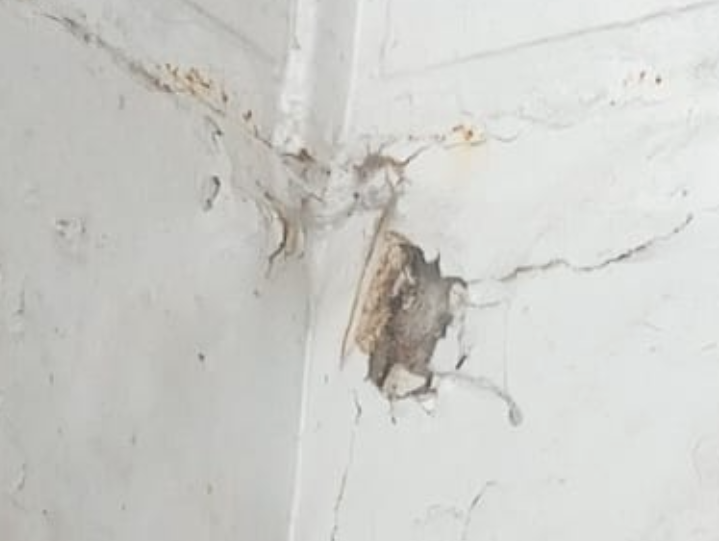
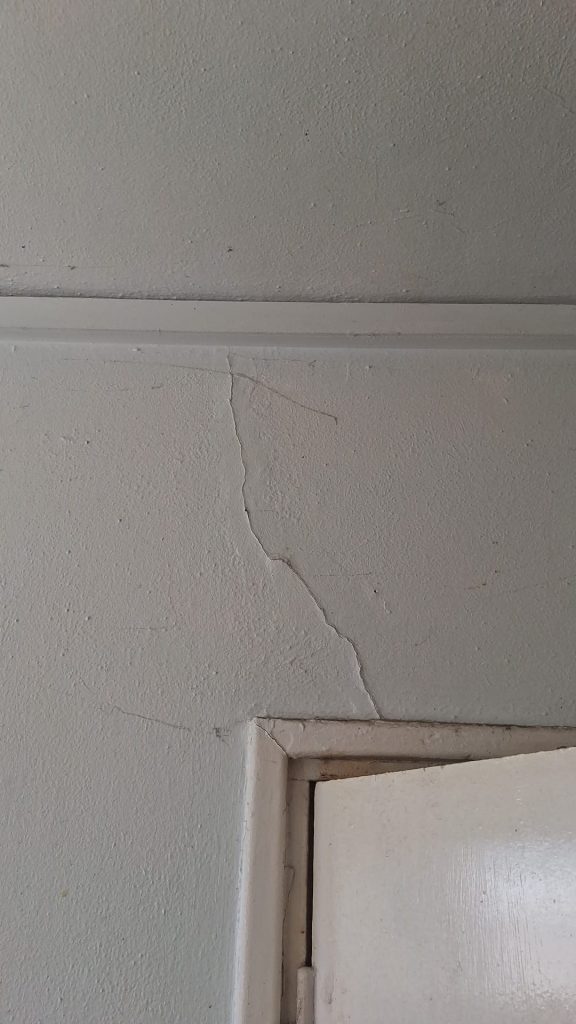
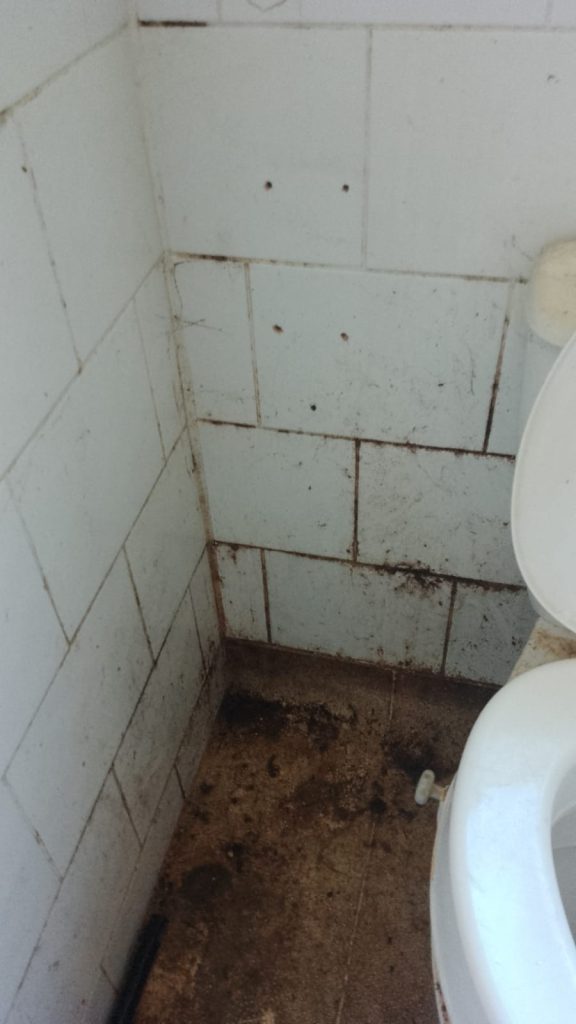
Document the disrepair – Take dated photographs, videos, and notes describing the problem and how it affects you.
Report it to your landlord – Always notify them in writing and keep copies of your correspondence.
Seek medical advice – If your health has been affected, visit your doctor and keep copies of medical records or prescriptions.
Consult a specialist – Contact Disrepair Support to assess your case and, if appropriate, connect you with a regulated solicitor who can pursue the claim on your behalf.
By following these steps and maintaining strong evidence, you can build a clear and credible case. If your landlord continues to ignore your repair requests, you do not have to tolerate unsafe or unhealthy conditions.
Why choose Disrepair Support?
Based in Manchester, Disrepair Support helps tenants throughout the UK take legal action when landlords fail to fix serious problems. Our team can:
Assess your claim and confirm whether you qualify
Connect you with specialist solicitors experienced in housing disrepair law
Guide you through the entire process and handle communication with your landlord
Explain your options clearly, with no pressure or upfront costs
There is no financial risk because you will only pay a fee if your claim is successful.
Frequently asked questions
Q: What qualifies as housing disrepair?
A: Any serious issue that makes a property unsafe or unfit to live in, such as damp, mould, leaks, faulty heating, or structural problems.
Q: Can I claim compensation if I’m a private tenant?
A: Yes. However, Disrepair Support currently assists tenants living in council or housing association properties.
Q: How long does the claims process take?
A: It depends on the complexity of the case and how cooperative the landlord is. Some claims can be resolved in a few months, while others take longer.
Q: Will making a claim affect my tenancy?
A: No. It is illegal for a landlord to evict or penalise you for making a genuine housing disrepair claim.
Contact Disrepair Support
If you’re living with damp, mould, leaks, or other disrepair issues, contact us today to find out how much your claim could be worth and take the first step towards a safe, healthy home.
📞 Call us: 0161 710 3295
📧 Email: [email protected]
Important Information
Disrepair Support is a trading style of CFS Redundancy Payments Ltd, authorised and regulated by the Financial Conduct Authority (FCA) under FRN 830857 for claims-management activity. Eligibility and outcomes depend on individual circumstances and solicitor assessment. No-win-no-fee arrangements apply only where accepted by our partner solicitors, and a success fee may be deducted from any compensation awarded. Full details are provided before any agreement is signed.