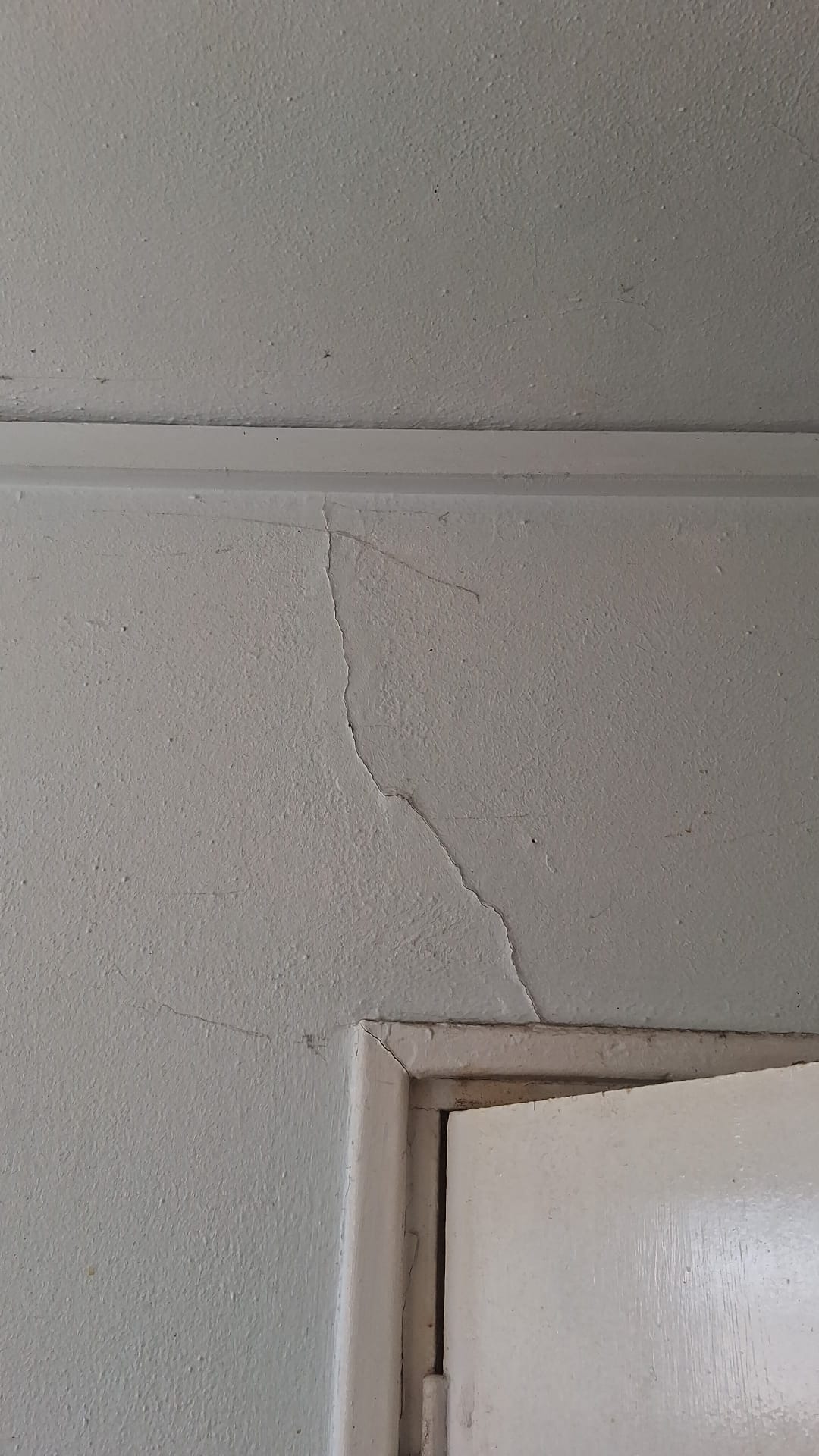
When you are living with damp, mould, leaks, cracks, broken windows, subsidence, unsafe electrics or ongoing landlord repair issues, it can affect every part of your life. It is not just about the damage to the property. It is about how the condition of your home affects your health, mental health, family life, sleep, confidence and day-to-day wellbeing.
At Disrepair Support, we understand that a successful housing disrepair claim is not just built from a few photos. A strong claim needs time, detail, evidence and a full understanding of how the disrepair has affected you.
That is why many tenants choose to use a housing disrepair claims company like us before being passed to a solicitor.
We do not just ask for one picture and move on. We take the time to understand the full story.
Why Housing Disrepair Claims Need More Than Just Photos
Many tenants contact solicitors directly after months, or even years, of being ignored by their landlord, council or housing association. The problem is that some solicitor firms are extremely busy and often need the case to be clear, organised and evidence-ready before they can properly assess it.
This can leave tenants feeling frustrated, especially when they know they have a genuine case involving:
Common housing disrepair problems include:
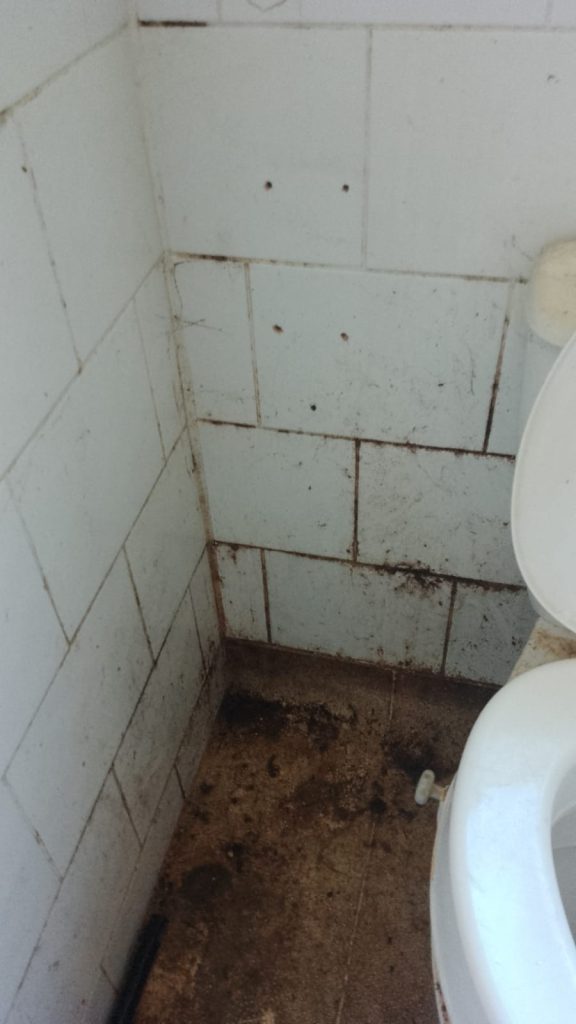
- Damp and mould in bedrooms, bathrooms, kitchens and living areas
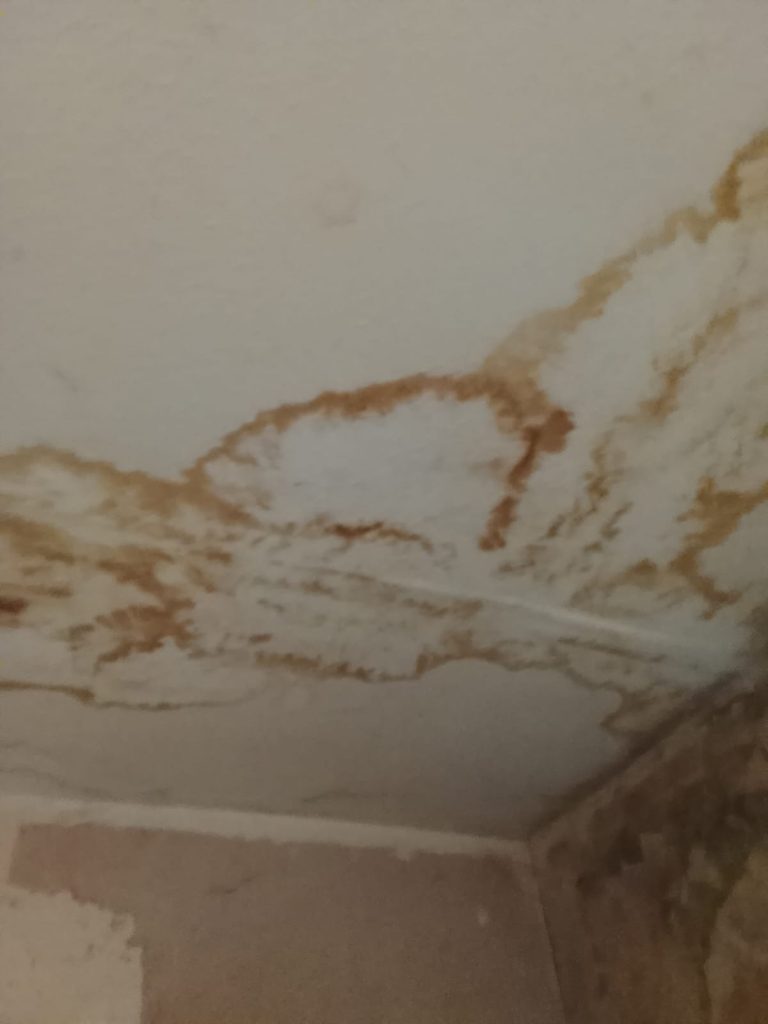
- Leaking roofs, ceilings, pipes or windows
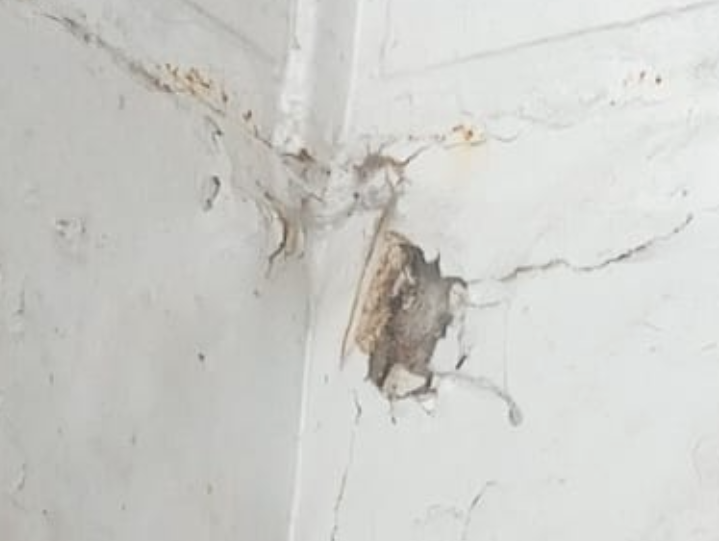
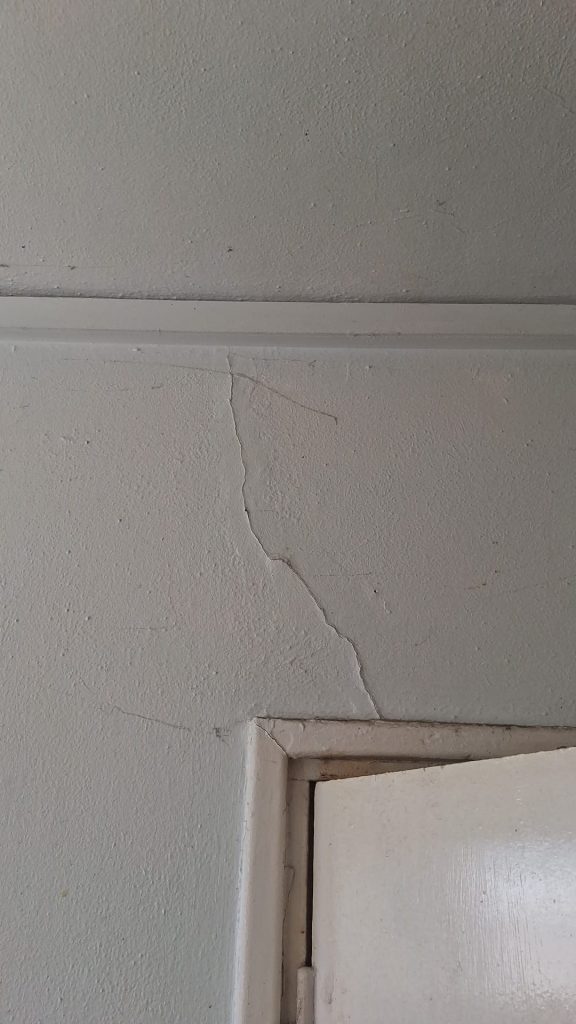
- Cracked walls, ceilings, render or brickwork
- Rotten window frames and failed double glazing
- Subsidence or structural movement
- Broken heating or hot water
- Unsafe electrics or exposed wiring
- Poor ventilation causing condensation and black mould
- Water ingress from defective external walls or roofline
- Damaged plaster, flooring or decoration
- Landlord ignoring repair complaints
A solicitor may look at a case quickly and decide there is not enough evidence yet. That does not always mean there is no claim. It may simply mean the case has not been built properly.
This is where Disrepair Support can help.
We Spend Time Understanding the Whole Property
A proper housing disrepair claim should look at the full condition of the property, not just one issue.
For example, a tenant may call about black mould in the bedroom, but when the full property is reviewed, there may also be:
- Damp in the bathroom
- Cracks in the hallway
- Leaking windows
- Failed plasterwork
- External render damage
- Mould around window frames
- Defective guttering or roofline issues
- Signs of subsidence
- Damage to personal belongings
- Health problems caused or worsened by the property
A stronger claim is often built by looking at the whole home and showing the full impact of the landlord’s failure to carry out repairs.
That is why we take the time to go through the property properly. We help tenants explain what has happened, how long it has been going on, what has been reported, and how the disrepair is affecting their life.
We Listen to How the Disrepair Is Affecting Your Health
Living with damp and mould is not just uncomfortable. It can have a serious effect on your wellbeing.
Many tenants tell us they feel:
- Embarrassed about the condition of their home
- Stressed because repairs are being ignored
- Anxious about their children living around mould
- Depressed or low because they feel trapped
- Constantly unwell due to damp conditions
- Unable to sleep properly because of cold, damp rooms
- Worried about visitors seeing the property
- Frustrated after repeatedly contacting the landlord
This matters.
A housing disrepair claim should not only show the damage to the walls, ceilings, windows or bathroom. It should also explain the impact on the people living there.
At Disrepair Support, we ask the right questions so the solicitor can see the full picture.
Why Going Directly to a Solicitor Does Not Always Work
There are many good housing disrepair solicitors in the UK. However, solicitors usually want a case to be clear, evidenced and ready to review.
That means they often need:
- Clear photographs of every affected room
- Proof the landlord was notified
- A timeline of complaints
- Details of damp, mould, leaks or structural defects
- Evidence of health impact
- Details of damaged belongings
- Information about the tenancy
- Information about the landlord, council or housing association
- A full explanation of how long the issues have been ongoing
If these details are missing, a solicitor may reject the case or ask for more information.
For many tenants, that can feel like being ignored all over again.
Disrepair Support helps bridge that gap. We help prepare the case properly so it has a better chance of being accepted.
We Help Build the Case Before It Goes to a Solicitor
Our role is to make the process easier and more efficient.
We help with:
Case preparation
We gather the key details about the property, the landlord, the disrepair and the tenant’s living conditions.
Evidence review
We look at photos and videos of damp, mould, cracks, leaks, windows, ceilings, walls, bathrooms, kitchens and external defects.
Impact statement
We help explain how the disrepair has affected your health, mental health, family life, sleep and enjoyment of the home.
Solicitor matching
We help match tenants with a suitable housing disrepair solicitor based on the strength and type of case.
Keeping the claim moving
If one solicitor cannot accept the case, we do not simply leave you with no answer. We review the position and, where appropriate, try to match the case with another suitable solicitor.
This can be especially helpful for tenants who have already been turned away elsewhere.
Do You Lose Out by Using Disrepair Support?
No. In most cases, tenants do not lose out by using us.
Where we receive a referral fee from a solicitor, this is normally paid by the solicitor for the work involved in preparing and introducing the case. The solicitor will still explain their own success fee clearly before you sign anything.
Many housing disrepair solicitors charge a success fee on their own cases, often around 25% of compensation. Some firms may charge higher percentages, especially where a case is more difficult to place.
By using Disrepair Support, you may actually be in a better position because we help prepare the evidence, explain the impact and match you with a suitable solicitor who can review your claim properly.
You are not paying us separately to do this. Our aim is to help get your claim accepted and moved forward as efficiently as possible.
We Try to Match You With the Right Housing Disrepair Solicitor
Not every solicitor accepts every type of case.
Some firms prefer strong damp and mould claims. Some prefer council housing disrepair claims. Some are better with housing association cases. Others may be more open to cases involving structural cracks, subsidence, leaks or more complex evidence.
That is why matching matters.
A tenant may be rejected by one solicitor but accepted by another. This does not always mean the case is weak. It may simply mean it was not the right fit for that firm.
Disrepair Support helps tenants avoid giving up too early.
We work to place the case with a suitable solicitor who can review the evidence, explain the terms and help move the claim forward.
Case File: Mansfield Tenant With Damp, Mould and Subsidence
One recent example involved a tenant in Mansfield who had been living in a council property affected by serious disrepair.
The property had:
- Damp and mould
- Structural cracking
- Signs of subsidence
- Poor internal conditions
- Ongoing repair issues
- Health and wellbeing impact
Before contacting Disrepair Support, the tenant had already been ringing around different solicitors trying to get help. She was left feeling frustrated because she could not get the support she needed and felt like nobody was willing to properly look at the full case.
When she came to us, we took time to review the situation properly. We looked at the property issues, the history of complaints, the damp and mould, the structural concerns and how the condition of the home had affected her daily life.
We then helped match her with a suitable housing disrepair solicitor.
The case was accepted, and the tenant secured a solicitor on a 25% success fee arrangement rather than being left to use a higher-charging option. The final claim amount was over £3,000.
This is exactly why case preparation matters. Sometimes a tenant does not have a weak claim they just need someone to take the time to build it properly.
Why Tenants Use Disrepair Support
Tenants choose Disrepair Support because we take the time to understand the full situation.
We know that housing disrepair is personal. It affects your home, your children, your health, your mental health and your confidence.
You may feel embarrassed about the condition of your property. You may not want friends or family to visit. You may feel like your landlord, council or housing association has ignored you for too long.
We help turn that experience into a clear case file.
We can help with claims involving:
- Housing disrepair claims
- Council housing disrepair claims
- Housing association disrepair claims
- Damp and mould compensation claims
- Landlord repair claims
- Mould in rented property claims
- Leaking roof claims
- Cracked wall claims
- Subsidence in rented property
- Defective window claims
- Bathroom damp and mould
- Bedroom mould claims
- Kitchen damp claims
- Unsafe electrics caused by disrepair
- Poor ventilation and condensation claims
- Compensation for landlord failing to repair
What Makes Our Process Different?
Many tenants feel rushed when they try to explain their case.
At Disrepair Support, we believe the details matter.
A small crack may link to a bigger structural issue. Mould around a window may link to failed seals, poor ventilation or water ingress. Damp plaster may show that previous repairs were not done properly. A leaking roof may have caused damage in multiple rooms.
We help connect the evidence so the case makes sense.
That can make a big difference when a solicitor reviews the claim.
Can You Claim Compensation for Housing Disrepair?
You may be able to make a housing disrepair claim if:
- You are a tenant
- Your landlord, council or housing association is responsible for repairs
- You reported the issue
- The landlord failed to fix the problem within a reasonable time
- The disrepair has affected your living conditions
- You have evidence such as photos, messages, emails or repair reports
Compensation may be claimed for inconvenience, distress, loss of enjoyment of the property, damaged belongings and the impact of living in poor conditions.
The landlord may also be required to carry out the necessary repairs.
Why Acting Early Matters
The longer damp, mould, leaks and cracks are left untreated, the worse they can become.
Delays can lead to:
- More mould growth
- More damage to walls and ceilings
- Worsening respiratory symptoms
- Damage to furniture and clothing
- Increased stress and anxiety
- Children living in unhealthy conditions
- Further structural deterioration
- Stronger evidence of landlord neglect
If your landlord has ignored repairs, it is important to start gathering evidence as soon as possible.
Take photos. Keep messages. Record dates. Save emails. Note how the property is affecting your health and daily life.
Then speak to a housing disrepair claims specialist who can help you understand your options.
Speak to Disrepair Support Today
At Disrepair Support, we do more than pass your details on.
We help build your housing disrepair case properly. We take time to understand the property, the damage, the repair history and the impact on your health and mental health.
Whether you are dealing with damp, mould, leaks, cracks, subsidence, broken windows, unsafe electrics or landlord neglect, we can help review your situation and match you with a suitable solicitor.
You should not have to live in a property that is making you stressed, unwell or embarrassed.
Contact Disrepair Support today and find out whether you may have a claim.
Call: 0161 710 3295
Start your free housing disrepair claim check today.
What is a housing disrepair claim?
A housing disrepair claim is a legal claim made by a tenant when a landlord, council or housing association fails to carry out necessary repairs within a reasonable time after being notified.
Can I claim for damp and mould?
Yes, you may be able to claim for damp and mould if the landlord was made aware of the issue and failed to resolve the cause properly.
Can I claim against the council for housing disrepair?
Yes, council tenants may be able to claim if the council has failed to repair damp, mould, leaks, cracks, windows, heating or other serious repair issues.
Why use a housing disrepair claims company?
A housing disrepair claims company can help gather evidence, understand the full property condition, prepare the case and match you with a suitable solicitor.
Will I lose compensation by using Disrepair Support?
Where a referral fee is paid to us, this is normally paid by the solicitor and not charged to you separately. Your solicitor will explain their success fee and any deductions before you sign.
What evidence do I need for a housing disrepair claim?
Useful evidence includes photos, videos, complaint messages, emails to the landlord, repair logs, medical information, damaged belongings and a written impact statement explaining how the disrepair has affected you.
This post is written by Kevin Pike on 28/04/2026 who has worked at the company for over a year.