If you’ve been dealing with problems in your home for a while, you already know how draining it can be. A lot of people think housing disrepair claims are something new, but they’ve actually been around for years most tenants just don’t realise they’re entitled to help.
When you’re renting from the council or a housing association, your landlord has a responsibility to keep the property in good condition. If they keep ignoring you or brushing you off when you report problems, that’s when things start becoming unfair. And if the issues are affecting your health, comfort or day-to-day life, you may be able to make a claim, depending on your situation.
At Disrepair Support, we’re here to make things as simple as possible and talk you through it all in plain English.
Common Housing Disrepair Issues
Black Mould and Damp
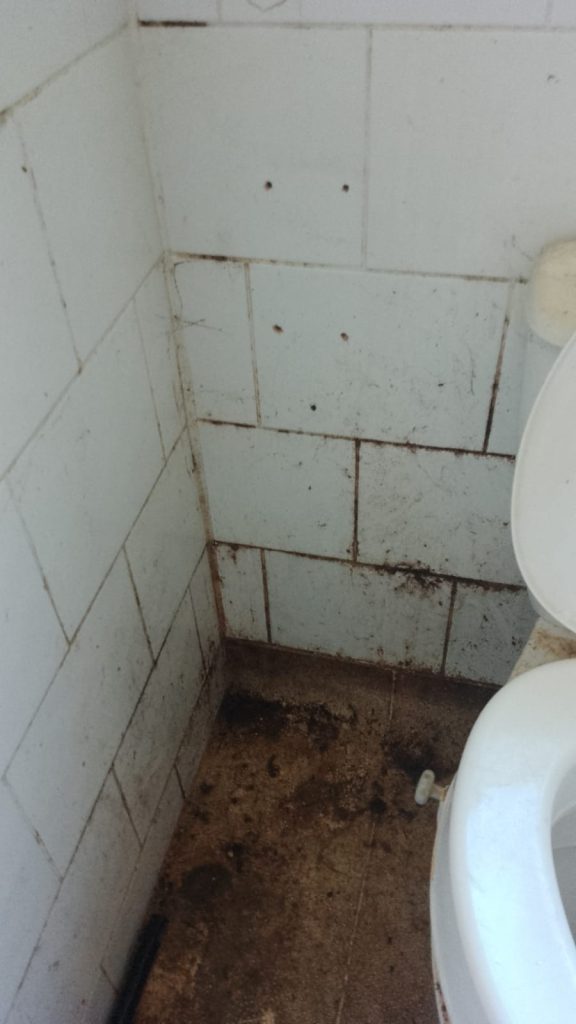
This one is honestly one of the biggest problems we see. Black mould is horrible to live with, and it’s not just a bit of dirt on the wall — it can make people ill, especially children or anyone with asthma or breathing problems.
What makes it worse?
Councils and housing associations often blame the tenant. They’ll say it’s condensation or they’ll paint over it and call it job done. But when the mould keeps coming back, there’s clearly a bigger issue going on.
Leaks and Water Damage
Leaks are another common headache.
It can be:
- Water coming through the ceiling
- A leak under the sink
- A cracked pipe
- Faulty sealant around the windows
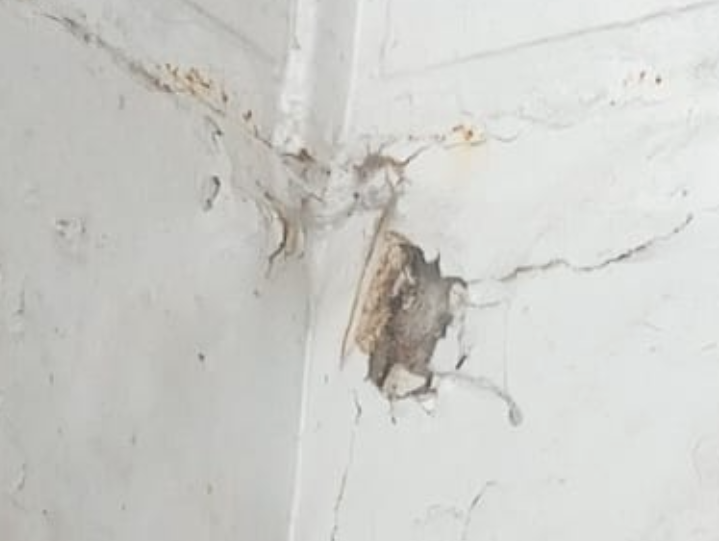
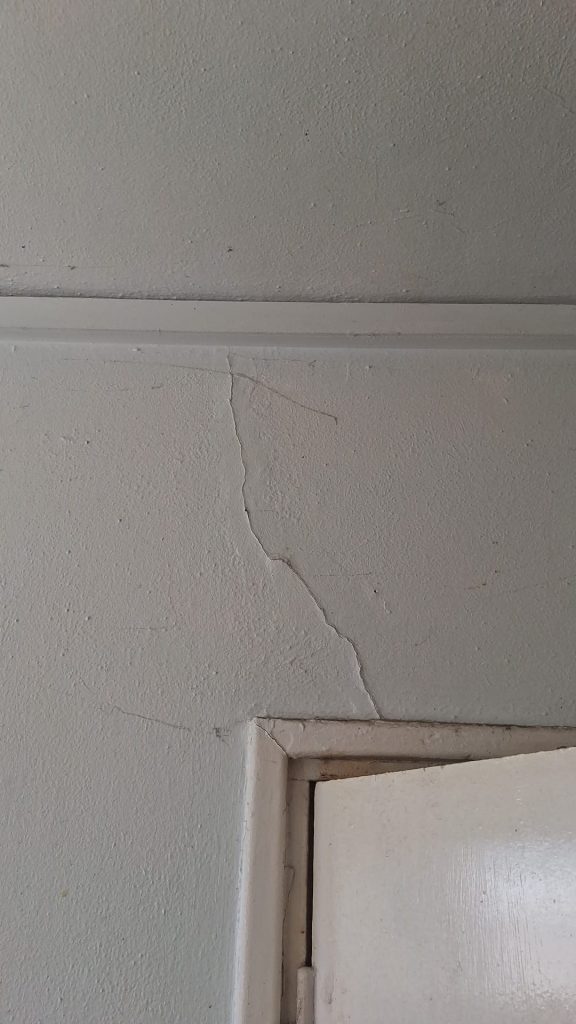
Even a small leak can turn into a big problem if it’s ignored. We’ve seen ceilings sagging, walls crumbling, and floors constantly soaked because landlords drag their feet. You shouldn’t have to keep mopping up water or living with buckets around the house.
No Heating or Hot Water
Waking up in winter with no heating or hot water is something nobody should have to deal with. Hot water is a basic need it’s not a luxury. If the boiler keeps breaking or the radiators don’t get warm, it’s something your landlord needs to sort out properly.
Faulty Electrics
Electrics are one of those things people just get used to when they stop working, but they can actually be really dangerous.
Things like:
- Exposed wires
- Sockets hanging off the wall
- Lights flickering
- Switches sparking
- can all lead to fires or electrical shocks. If you’ve also got leaks at the same time, that’s a major risk and needs urgent attention.
Pests and Rodents
Nobody wants to live with rats, mice, or even squirrels running around in the loft or walls. Pest problems normally come from gaps, holes, broken brickwork or other structural issues things only the landlord can fix, not you.
If pests keep coming back, it’s a sign the property isn’t being maintained properly.
How to Start a Housing Disrepair Claim
1. Report the Problems to Your Landlord
Even if they ignore you, you must show you’ve tried.
Emails, calls, texts, portal messages they all count. Keep them if you can.
2. Take Photos or Videos
Try to get a few pictures of each room 5–6 per room is ideal and pictures of the outside too. The clearer the evidence, the stronger your case usually is.
3. Give the Landlord Time to Respond
If it’s been over 2 months and nothing is getting fixed properly, you may be able to take things further.
4. No Win, No Fee Support
We review your situation for free and, if your case qualifies, a solicitor may take it on a no win, no fee basis.
You don’t pay anything up front.
Are You Entitled to Compensation?
If the disrepair has:
- Affected your health
- Damaged your belongings
- Caused stress or inconvenience
- Been left unfixed for months
You might be able to claim compensation, depending on your circumstances.
It’s not about making money it’s about making sure you’re living in a safe, healthy home.
Need Help?
You don’t need to know anything about housing law that’s what we’re here for. We’ll talk through everything with you, explain your rights, and gather what we need to check whether your case can be passed to a solicitor.
If your landlord isn’t dealing with serious issues, you don’t have to sit and wait for things to get worse.
Reach out and we’ll help you understand your options.