How Bad Weather Can Cause Damp, Mould and Leaks in Rented Homes
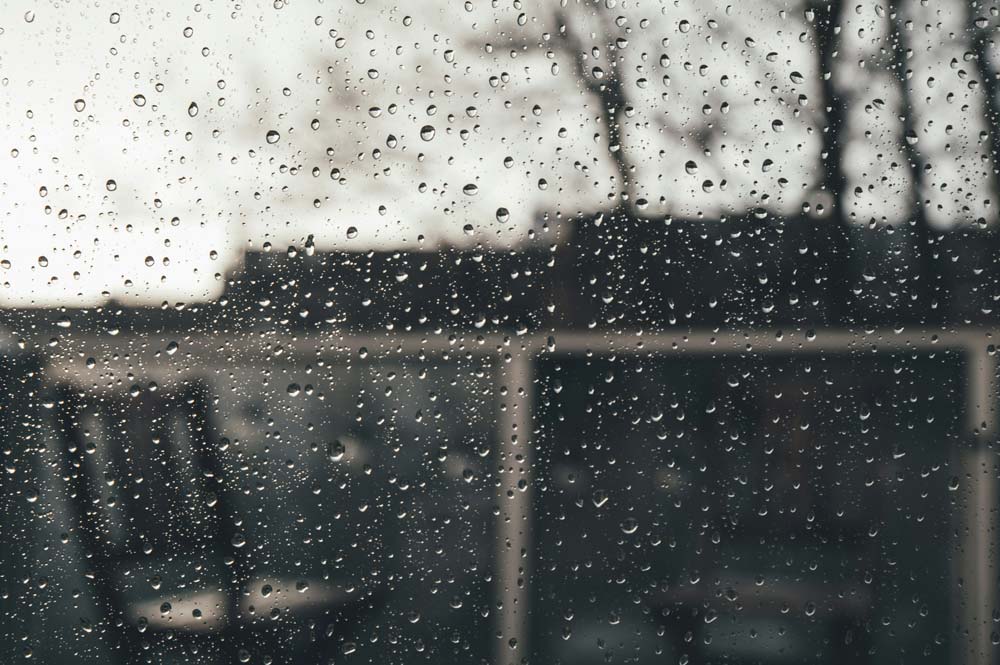
Bad weather is one of the main reasons damp, mould and leaks suddenly appear or get worse in rented homes. Heavy rain, strong winds, and cold temperatures can expose problems that have already been building up over time.
If your home has become worse after a period of bad weather, it is important to understand what is happening and what you can do next.
Why Bad Weather Makes Housing Problems Worse
When a property is not properly maintained, bad weather will often make existing issues much more noticeable.
Heavy rain can enter through damaged roofs, cracked walls, or poorly sealed windows. Cold weather can increase condensation, which leads to mould growth. Strong winds can worsen structural damage or loosen fittings.
In many cases, the issue was already there — the weather has just made it impossible to ignore.
Common Problems After Heavy Rain or Cold Weather
After bad weather, tenants often notice:
- Damp patches appearing on walls or ceilings
- Water leaks from roofs or windows
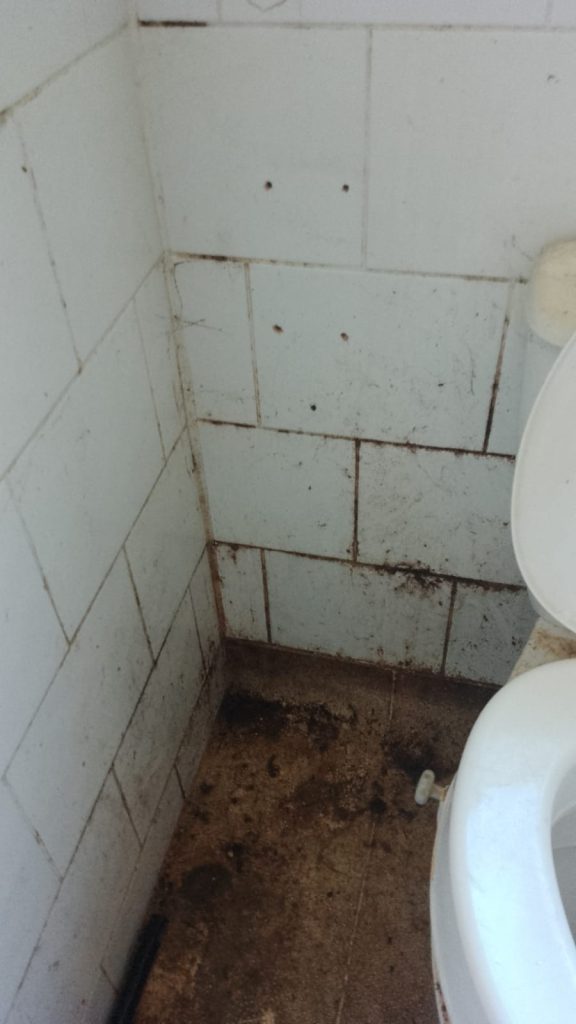
- Mould forming in corners or behind furniture
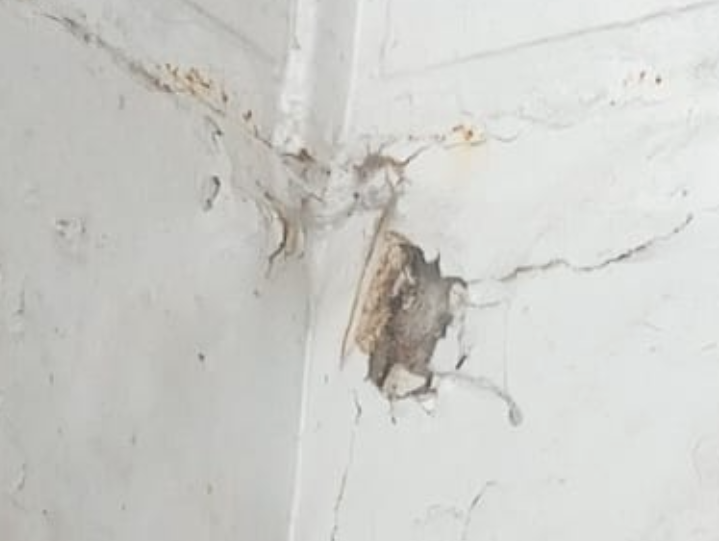
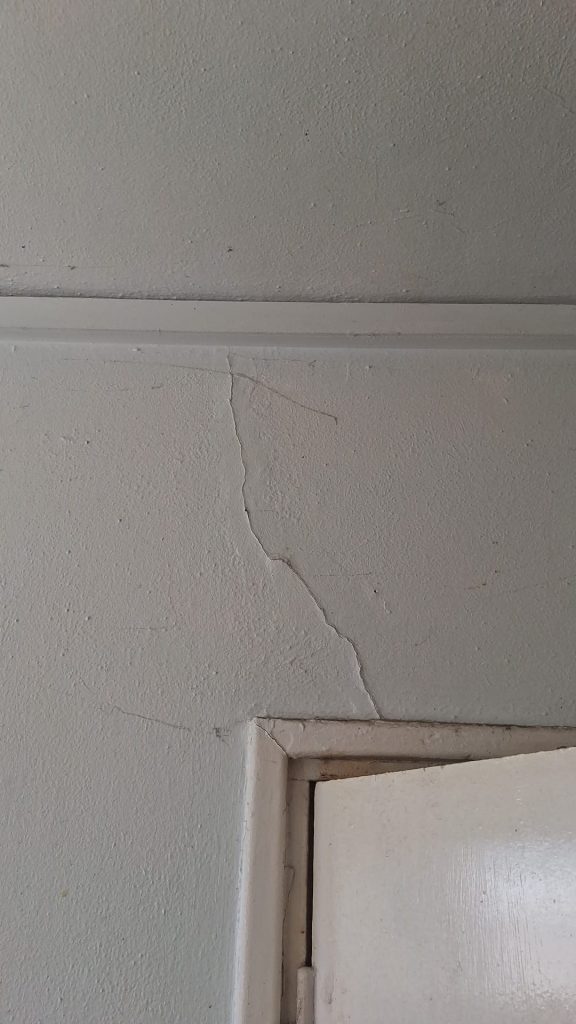
- Peeling paint or damaged plaster
- A strong musty smell in certain rooms
These are all signs that the property is not adequately protected and may require urgent repair.
What You Should Do If Your Home Has Got Worse
If you’ve noticed new or worsening problems, take these steps immediately:
- Report the issue to your landlord in writing
- Take clear photos and videos of all damage
- Keep a record of when the issue started
- Follow up if no action is taken
Acting early is important, especially if the damage continues to get worse.
Is Your Landlord Responsible?
In most cases, yes.
Landlords are legally responsible for maintaining:
- The structure of the property (walls, roof, windows)
- Plumbing and drainage systems
- The overall safety and condition of the home
If bad weather has exposed a problem, it usually means the property was not properly maintained in the first place.
You can read more about your legal rights here:
your rights as a tenant when repairs are ignored
When Does This Become a Housing Disrepair Claim?
If you have already reported the issue and your landlord has failed to fix it within a reasonable time, the situation may become a housing disrepair claim.
This can apply to:
- Ongoing damp and mould
- Repeated leaks
- Structural issues made worse by weather
Learn how the process works here:
housing disrepair claims process explained
Real Example
We regularly see cases where tenants reported a small leak months earlier, but no action was taken. After heavy rain, the damage worsened significantly, leading to water entering the property and ceilings becoming damaged.
This is a clear example of how delays can turn minor repairs into serious issues.
Can You Claim Compensation?
If your landlord has ignored the problem or delayed repairs, you may be entitled to compensation.
This can cover:
- The impact on your living conditions
- Damage to belongings
- Health issues caused by damp or mould
Find out what you could be entitled to:
what you can claim for housing disrepair
Final Thoughts
Bad weather doesn’t create housing problems — it exposes them. If your home has become worse after rain or cold conditions, it’s likely that repairs were needed long before.
Taking action early can prevent the situation from getting worse and ensure your home is made safe again.
Get Help Today
If your landlord has failed to carry out repairs and your home is getting worse, you don’t have to deal with it alone.
Get in touch today to see if you can make a claim and have repairs carried out properly.