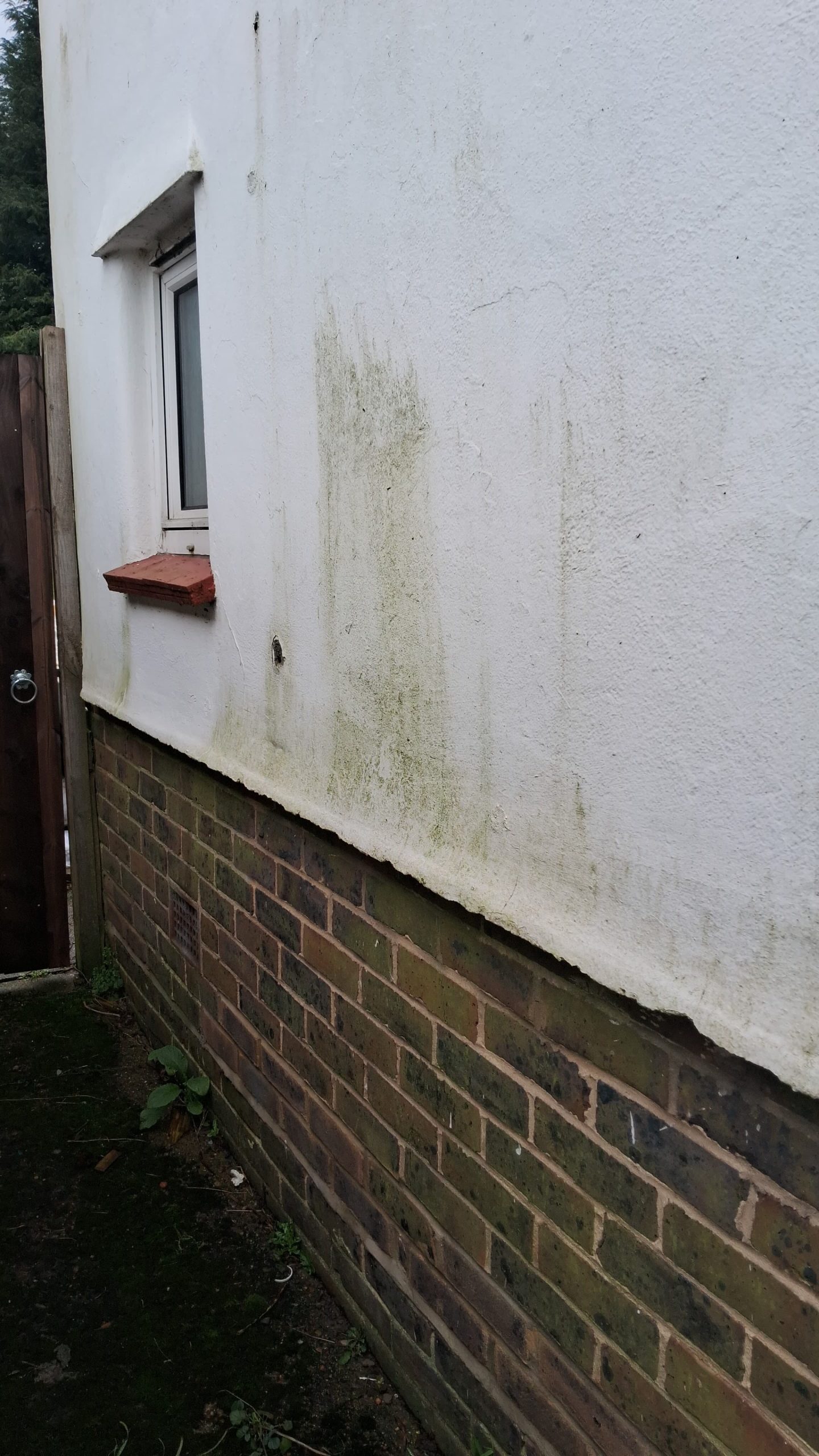
Housing disrepair has been a growing issue across the UK for years, but today it’s firmly back in the public eye. The BBC has been discussing housing conditions, damp, mould, and landlord accountability, highlighting just how widespread the problem has become particularly in rented homes.
What’s especially interesting is the growing conversation around whether housing disrepair claims could soon extend further into the private rental sector, not just council and housing association properties. While nothing has been formally confirmed, the fact this is being openly discussed shows just how serious the issue has become.
For tenants already living with unresolved disrepair, this matters a lot.
Why housing disrepair is becoming impossible to ignore
Across the country, tenants are reporting the same problems again and again:
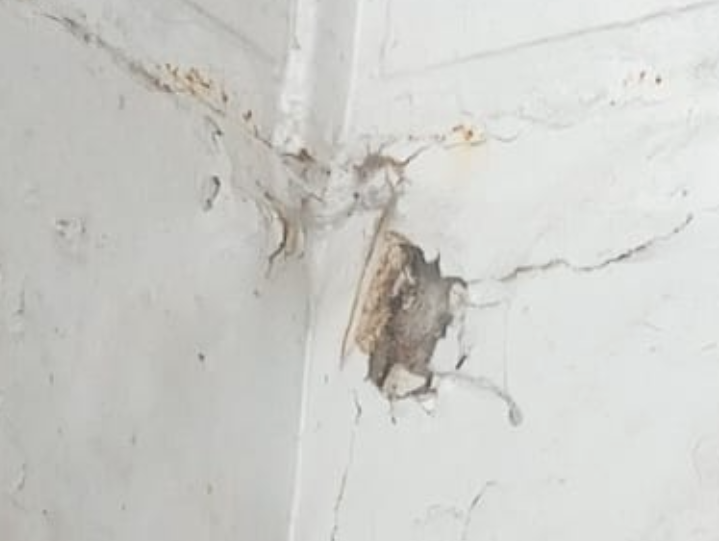
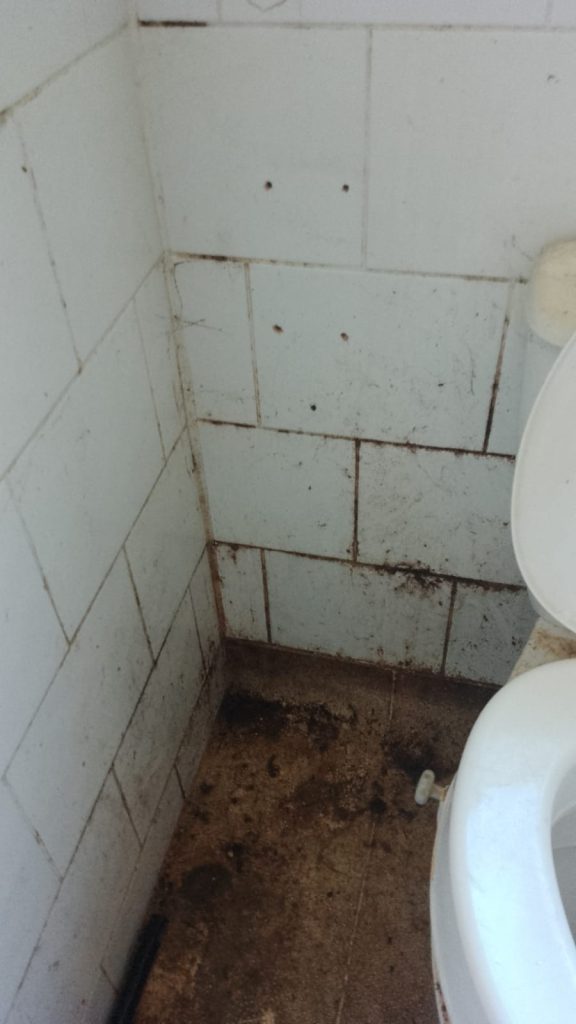
- Damp and black mold in rental properties
- Leaks that are “repaired” but keep coming back
- Unsafe electrics and broken heating systems
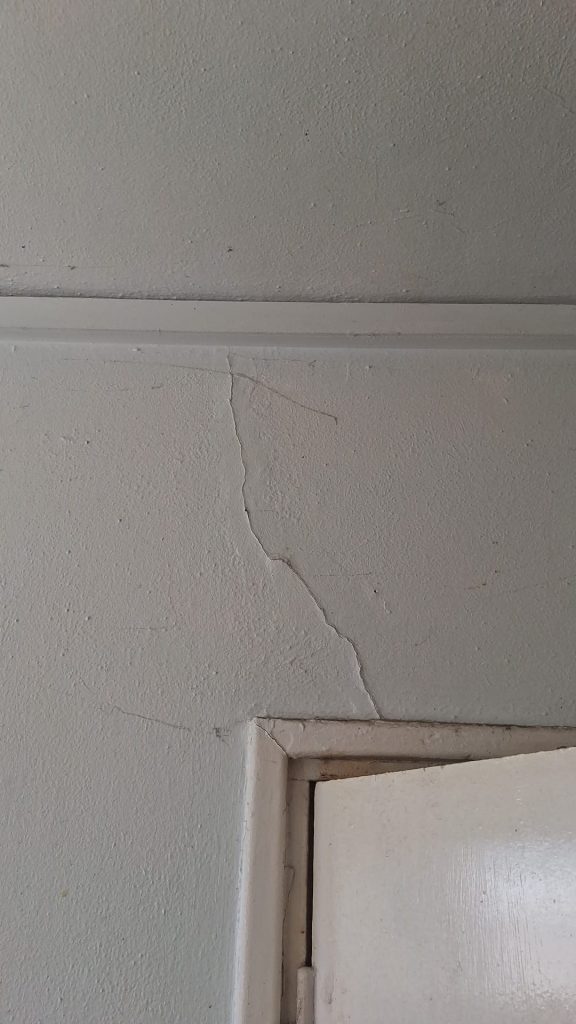
- Rooms that can’t be used properly due to damage
The BBC coverage today reflects what many tenants already know: complaints alone aren’t working. Too many landlords are delaying repairs, passing responsibility, or carrying out temporary fixes that don’t solve the underlying problem.
This has pushed housing disrepair from being a “behind closed doors” issue into a national conversation.
Could housing disrepair claims expand into private rentals?
Traditionally, most housing disrepair claims have focused on council and housing association properties. That’s where legal responsibility is clearer and long-standing failures are easier to evidence.
However, with increasing pressure on the rental market and rising concerns around tenant health and safety, there is now serious discussion about greater accountability for private landlords too.
If this direction continues, it could mean:
- Stronger enforcement of repair standards
- More tenants being able to take action
- A clearer housing disrepair claim process across all rental types
For tenants, this could be a turning point.
What hasn’t changed: landlord responsibilities
Regardless of what changes may come, one thing is already clear: landlords have a legal duty to keep properties safe and habitable.
If a landlord is:
- Refusing repairs
- Ignoring repeated reports
- Allowing damp, mould, or leaks to continue
Then a tenant may already be entitled to make a housing disrepair claim.
You do not have to wait for new rules or announcements if you’re currently living in poor conditions.
Why more tenants are choosing to make housing disrepair claims
One reason housing disrepair is gaining attention is that more tenants are actually taking action and seeing results.
A successful claim can lead to:
- Repairs being carried out properly
- Compensation for disrepair, including damp and mould
- Reduced stress and improved living conditions
Many tenants assume nothing will change, but once legal pressure is applied, landlords often act quickly.
The role of housing disrepair claims companies
Navigating complaints, inspections, and legal processes can feel overwhelming especially when you’re already dealing with poor living conditions.
This is where a housing disrepair claims company comes in. Instead of chasing the landlord yourself, professionals can:
- Assess whether you have a valid claim
- Gather and organise evidence
- Work with specialist housing disrepair solicitors
- Push for repairs and compensation on your behalf
This is why more tenants are now choosing support rather than struggling alone.
Damp and mould: the issue driving national attention
The BBC discussion today once again highlighted damp and mould as one of the most serious housing issues in the UK. And for good reason.
Long-term exposure can affect breathing, sleep, mental health, and overall wellbeing. Yet it remains one of the most commonly ignored repair issues.
If damp or mould is caused by leaks, poor ventilation, or structural problems, the responsibility usually lies with the landlord not the tenant.
What tenants should do right now
If you’re renting and dealing with unresolved disrepair:
- Start documenting the issues (photos, videos, dates)
- Keep records of reports made to the landlord
- Get advice before the situation worsens
With housing disrepair now firmly in the national conversation, tenants are in a stronger position than ever to take action.
Get help with a housing disrepair claim
Whether you live in a council, housing association, or private rented property, help may be available. If your landlord has failed to act and you’re living with damp, mould, leaks, or unsafe conditions, you don’t have to wait for change to come from above.
Housing disrepair claims exist to protect tenants and right now, they matter more than ever.