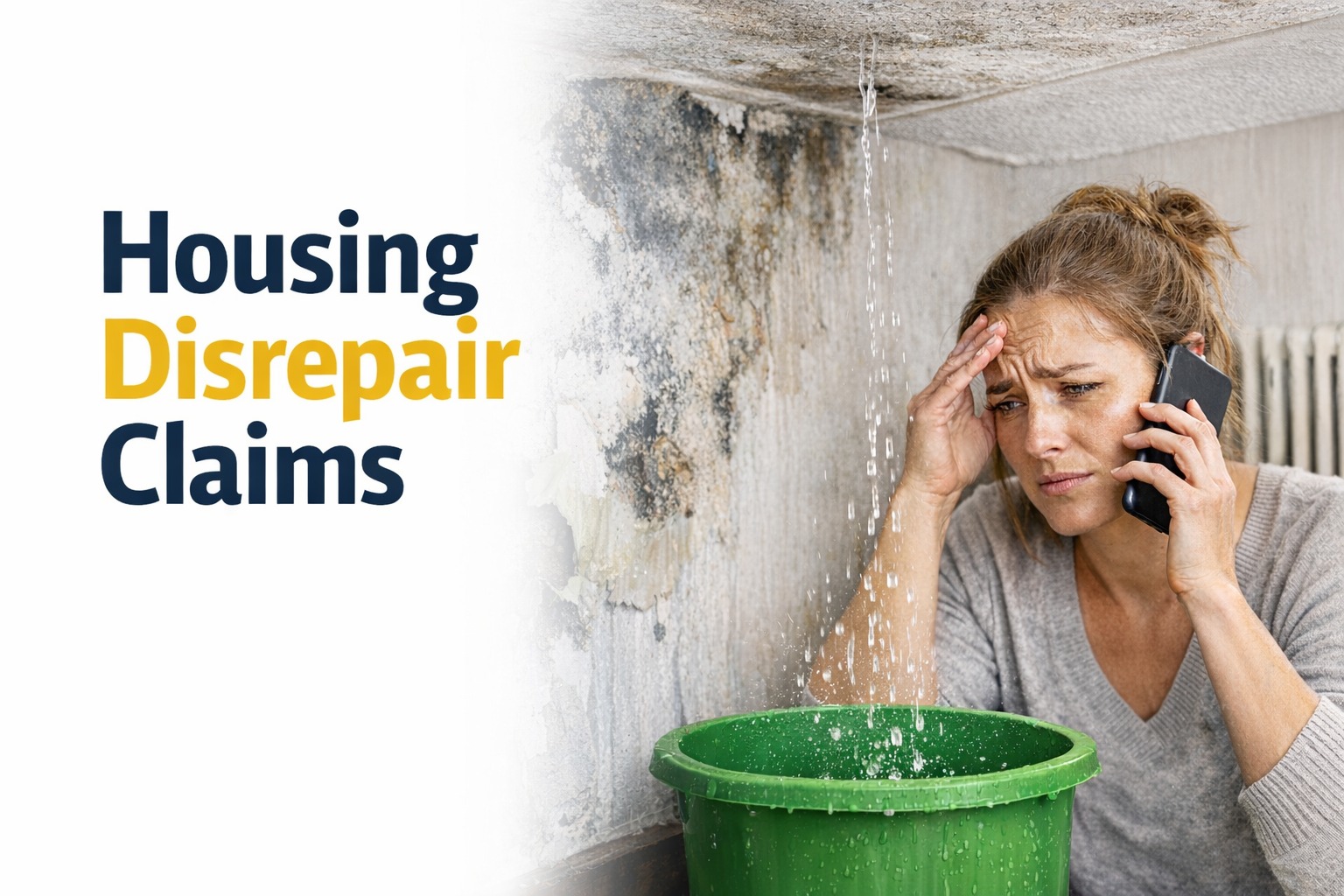
Living in a property with ongoing disrepair can seriously affect your health, finances, and quality of life. Issues such as damp and mould, leaking ceilings, broken heating, or unsafe electrics are not just inconvenient they may give you the legal right to bring a housing disrepair claim.
If your landlord has failed to carry out essential repairs after being notified, you could be entitled to compensation and a court order forcing them to fix the problem.
This guide explains what housing disrepair is, who can make a claim, how much compensation you could receive, and how the claims process works in the UK.
What Are Housing Disrepair Claims?
A housing disrepair claim is a legal claim made by a tenant when a landlord fails to keep a rented property safe, habitable, and in good repair.
Under UK housing law, landlords are responsible for maintaining key parts of a property, including:
- The structure and exterior
- Heating and hot water systems
- Plumbing and sanitation
- Electrical installations
If a landlord does not resolve reported issues within a reasonable time, tenants may have grounds to claim compensation and enforce repairs through legal action.
Housing disrepair claims can be brought against:
- Local authority (council) landlords
- Housing associations
- Private landlords
Common Housing Disrepair Problems
Housing disrepair can take many forms. Some of the most common issues that lead to claims include:
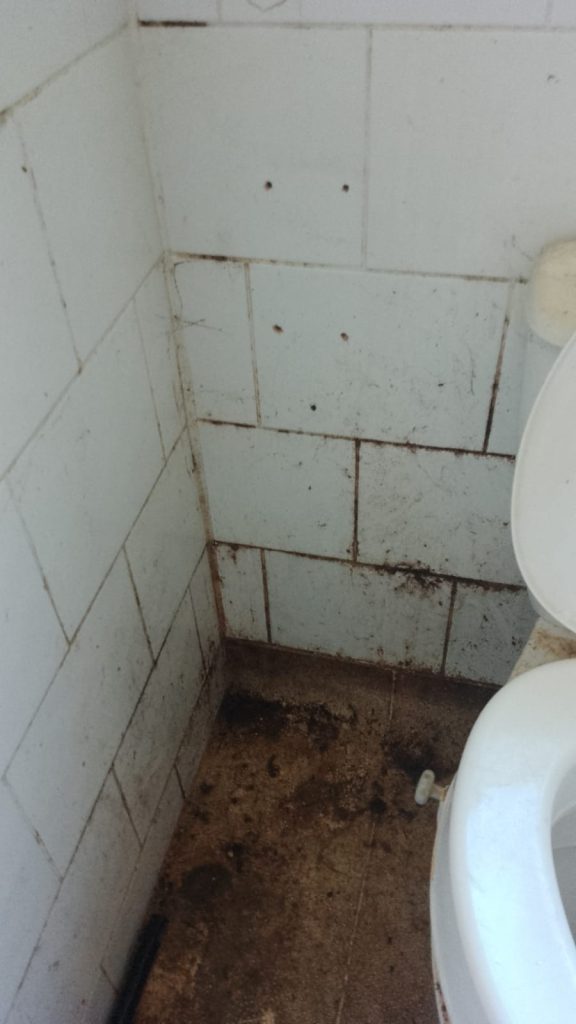
- Damp, mould, and condensation
- Leaking roofs or ceilings
- No heating or broken boilers
- Lack of hot water
- Faulty or dangerous electrics
- Unsafe floors, stairs, or handrails
- Pest infestations
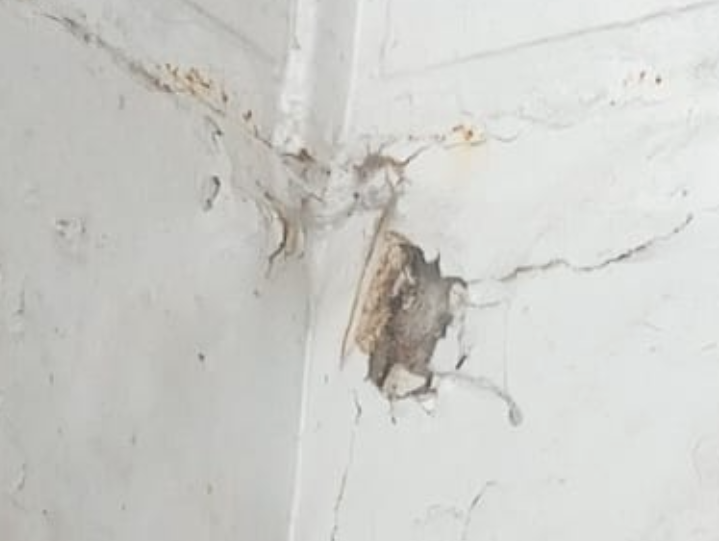
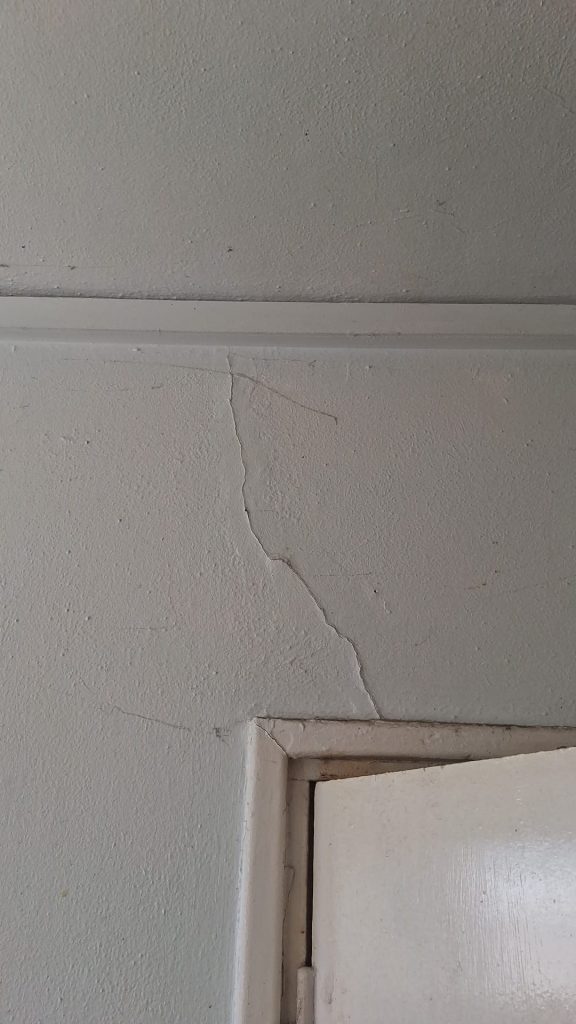
- Cracked walls or ceilings
- Plumbing leaks or blocked drains
If these problems have continued after you have reported them, you may be eligible to make a housing disrepair compensation claim.
Your Landlord’s Legal Responsibilities
Landlords have strict legal duties under UK law, including:
- The Landlord and Tenant Act 1985
- The Homes (Fitness for Human Habitation) Act 2018
- The Housing Health and Safety Rating System (HHSRS)
These laws require landlords to ensure properties are safe, healthy, and fit to live in at all times. Once a landlord is aware of a repair issue, they must act within a reasonable timeframe.
Failure to do so can result in court action, enforced repairs, and compensation being awarded to the tenant.
Can You Claim Compensation for Housing Disrepair?
Yes. If your landlord has ignored repair requests or delayed repairs unreasonably, you may be entitled to housing disrepair compensation.
Compensation can account for:
- Discomfort and inconvenience
- Damage to personal belongings
- Health problems caused or worsened by disrepair
- Reduced enjoyment of your home
In serious or long-running cases, compensation can amount to thousands of pounds.
How Much Compensation Can You Receive?
Housing disrepair compensation is usually calculated as a percentage of your rent for the period the property was affected.
Typical guidelines include:
- Minor disrepair: 5–10% of rent
- Moderate disrepair: 10–30% of rent
- Severe disrepair: 30–50% or more
Cases involving damp and mould that cause respiratory problems, infections, or worsen existing medical conditions may attract higher compensation.
How to Start a Housing Disrepair Claim
Making a housing disrepair claim is more straightforward than many tenants expect. The usual steps include:
- Reporting the issue to your landlord (keep written evidence)
- Taking clear photos and videos of the disrepair
- Keeping records of how long the issue has lasted
- Obtaining medical evidence if your health has been affected
- Instructing specialists to handle the claim
Many housing disrepair claims are dealt with on a no win, no fee basis, meaning there is no upfront cost.
How Long Do Housing Disrepair Claims Take?
The length of a housing disrepair claim depends on the landlord’s response.
- Straightforward cases: 3–6 months
- More complex cases: 6–12 months
In many situations, legal action prompts landlords to complete repairs far sooner than they otherwise would.
Can a Landlord Evict You for Making a Claim?
No. The law protects tenants from retaliatory eviction when they raise legitimate disrepair issues.
A landlord cannot lawfully evict you simply for asserting your rights. If eviction threats follow a complaint about housing disrepair, this should be addressed immediately as part of your claim.
Why Housing Disrepair Claims Are Important
Housing disrepair claims do more than secure compensation they force landlords to meet legal standards and improve living conditions.
These claims help protect tenants, children, and vulnerable individuals from unsafe, unhealthy homes.
You should never feel pressured to live in unacceptable conditions.
Get Expert Help With a Housing Disrepair Claim
If your landlord has failed to act and your living conditions are affecting your wellbeing, you may have a valid housing disrepair claim.
Professional support can help ensure:
- Repairs are carried out quickly
- Your legal rights are enforced
- You receive the maximum compensation available
We are a trading style of CFS Redundancy Payments Ltd is registered in England. Its company number is 11455726 and its registered office is Suite 201, 5300 Lakeside, Cheadle Royal Business Park, Cheadle, Cheshire. SK8 3GP
CFS Redundancy Payments Ltd is authorised and regulated by the Financial Conduct Authority (FRN 830857)