If you’re renting a property in Manchester and struggling with damp walls, mould, broken heating, or leaking roofs, you’re not alone. Housing disrepair affects hundreds of tenants across the city every year and many don’t realise they can claim compensation when landlords fail to act.
This blog explains what housing disrepair really means, how it impacts your health and daily life, and what steps Manchester tenants can take to protect themselves.
Why Manchester Tenants Face Housing Disrepair
Manchester is a city full of historic buildings and older flats, particularly in areas like Ancoats, Hulme, and Moss Side. While these homes are full of character, they’re also prone to:
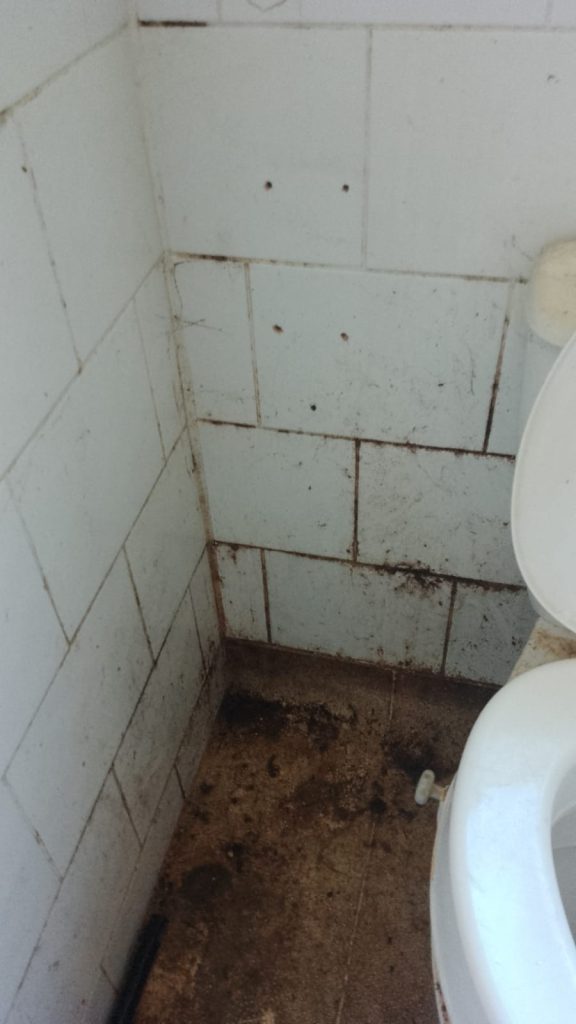
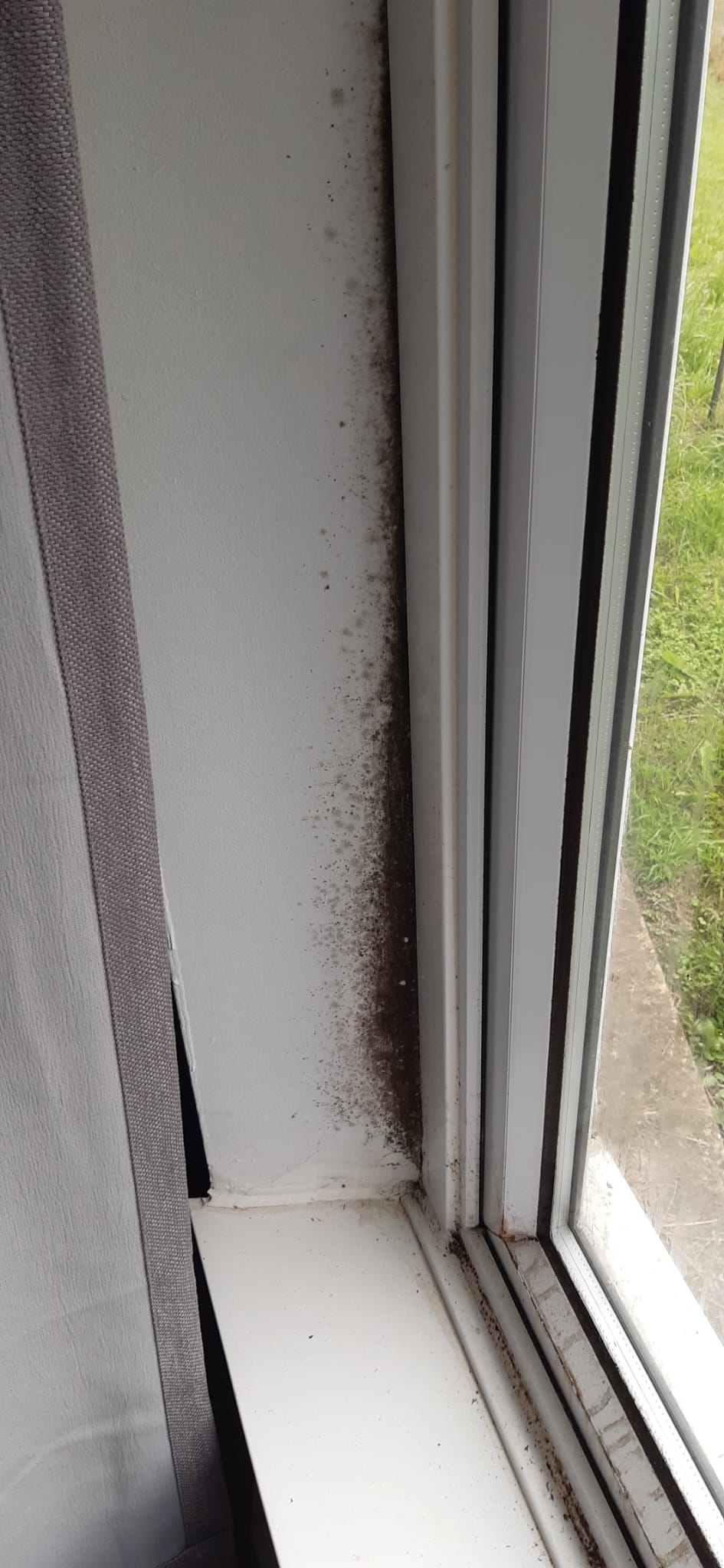
- Damp and mould from poor insulation or leaking pipes
- Inefficient or broken heating systems
- Faulty electrics or exposed wiring
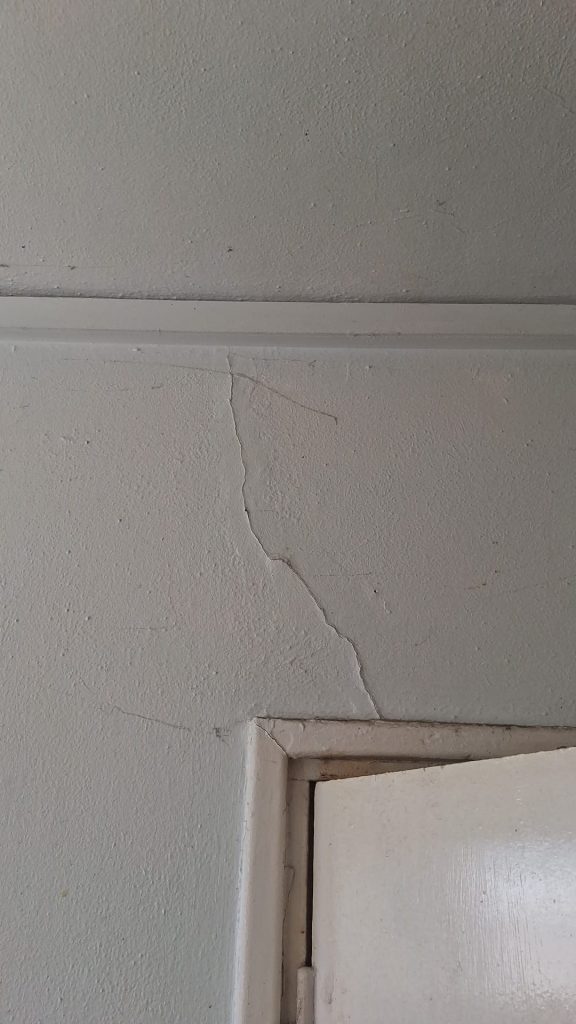
- Structural issues such as sagging floors or cracked walls
Even newer properties aren’t immune delayed repairs can happen anywhere. What often starts as a minor inconvenience can quickly turn into serious living conditions problems.
Common Housing Disrepair Issues in Manchester
Manchester tenants regularly report:
- Persistent damp and black mould affecting walls, ceilings, and furniture
- Boiler breakdowns, leaving homes cold in winter
- Leaking windows or roofs that damage interiors
- Cracks in walls or floors that worsen over time
- Pest infestations caused by property damage
Even if these issues seem small at first, they can affect your health, your belongings, and your quality of life.
How Housing Disrepair Affects Health
Many tenants don’t realise that housing issues can directly impact their health:
- Worsening asthma or respiratory conditions
- Skin irritation or rashes from damp
- Stress, anxiety, and sleep disruption
- Fatigue from living in uncomfortable conditions
Medical evidence of these effects can significantly strengthen a housing disrepair claim.
Your Legal Rights in Manchester
Under UK law, landlords are legally responsible for maintaining:
- The structure and exterior of the property
- Plumbing, heating, and sanitation
- Electrical systems
- Ventilation to prevent damp and mould
This responsibility applies across Manchester, whether you’re renting a flat in the city centre or a house in Didsbury or Chorlton.
How to Make a Housing Disrepair Claim in Manchester
1. Report the Issue
- Send written notice to your landlord with clear details of the problem.
2. Gather Evidence
- Take photos and videos of the damage
- Keep copies of emails, texts, and letters
- Get medical evidence if your health is affected
- Ask household members to act as witnesses
3. Seek Legal Advice
- A housing disrepair solicitor in Manchester can guide you and help secure compensation.
4. Take Action if Necessary
- Most claims are resolved without going to court, but legal action can be taken if repairs are ignored.
Compensation for Housing Disrepair in Manchester
Tenants may be entitled to compensation for:
- Loss of use of parts of the property
- Damaged belongings
- Stress and inconvenience
- Medical costs caused by living in unsafe conditions
The amount depends on the severity, duration, and impact of the disrepair.
Why Acting Quickly Matters
Delayed repairs don’t just worsen your living conditions they can increase the impact on your health and make legal claims stronger. Documenting issues early gives you the best chance of a successful housing disrepair claim in Manchester.
Areas in Manchester Where Housing Disrepair Is Common
Tenants in these areas often report issues:
- City Centre and Northern Quarter – older flats, heating issues
- Hulme and Moss Side – damp and mould problems
- Didsbury and Chorlton – structural repairs in older houses
- Ancoats and Ardwick – delayed landlord action on boiler repairs
Final Thoughts
Living in a property with housing disrepair is stressful and can affect your health. Manchester tenants don’t have to tolerate unsafe or unhealthy conditions. Reporting issues, gathering evidence, and seeking legal advice are the keys to holding landlords accountable and securing compensation.