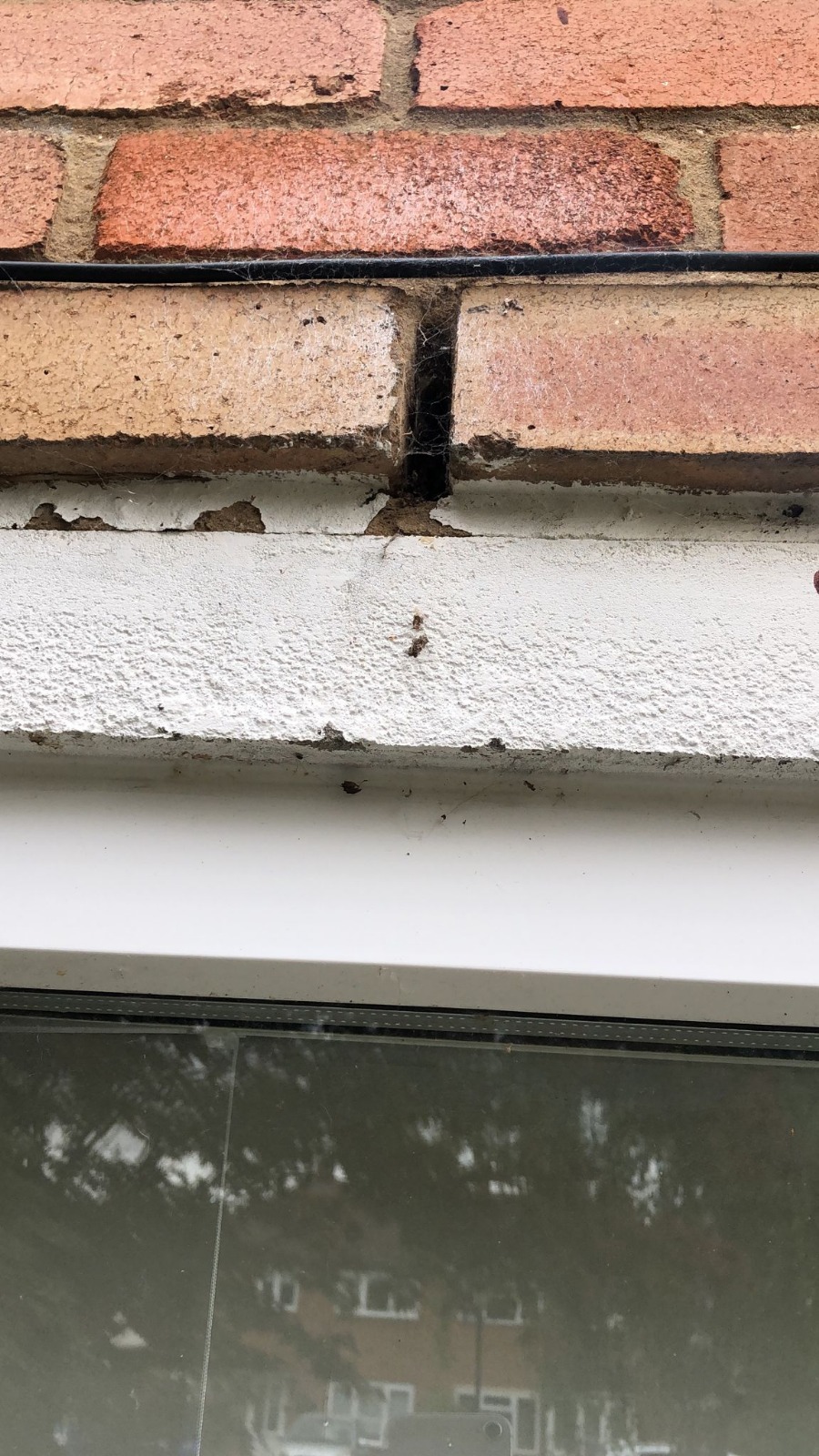
Living in a property that is poorly maintained can have a serious impact on your health, wellbeing, and day-to-day life. In Macclesfield, tenants often face issues like damp, mould, broken boilers, and structural damage problems that landlords are legally required to fix. If your landlord has neglected these responsibilities, you may be able to make a housing disrepair claim and receive compensation.
This guide explains what housing disrepair is, what your landlord must do, and how tenants in Macclesfield can protect their rights.
Understanding Housing Disrepair
Housing disrepair occurs when a property is not kept in a safe, habitable condition. Common issues include:
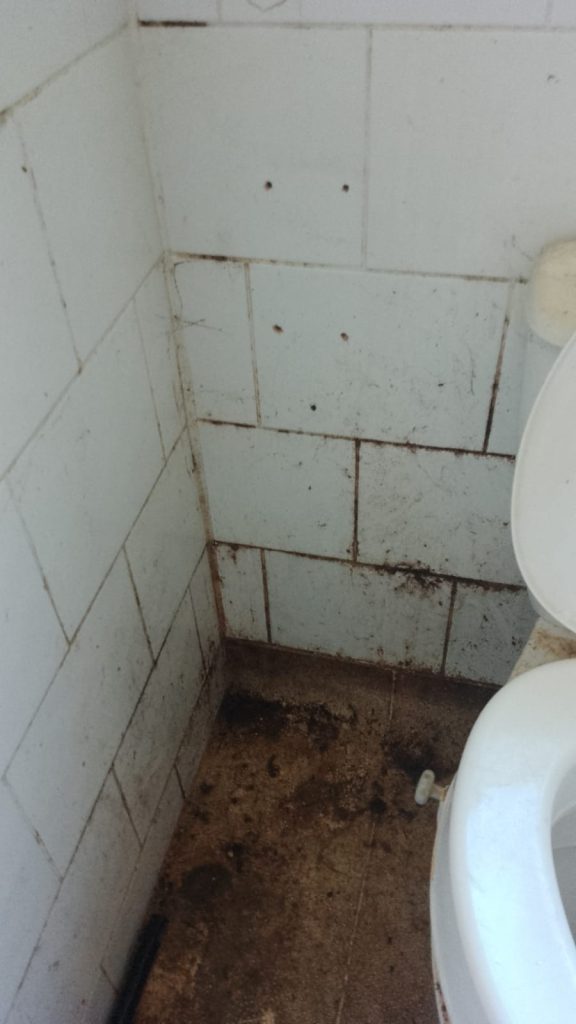
- Persistent damp or mould growth
- Leaking roofs or ceilings
- Broken heating or hot water systems
- Faulty electrics or unsafe wiring
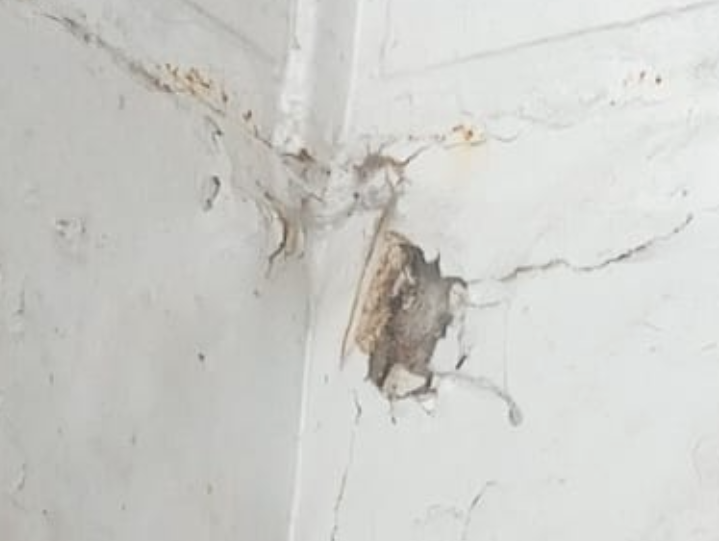
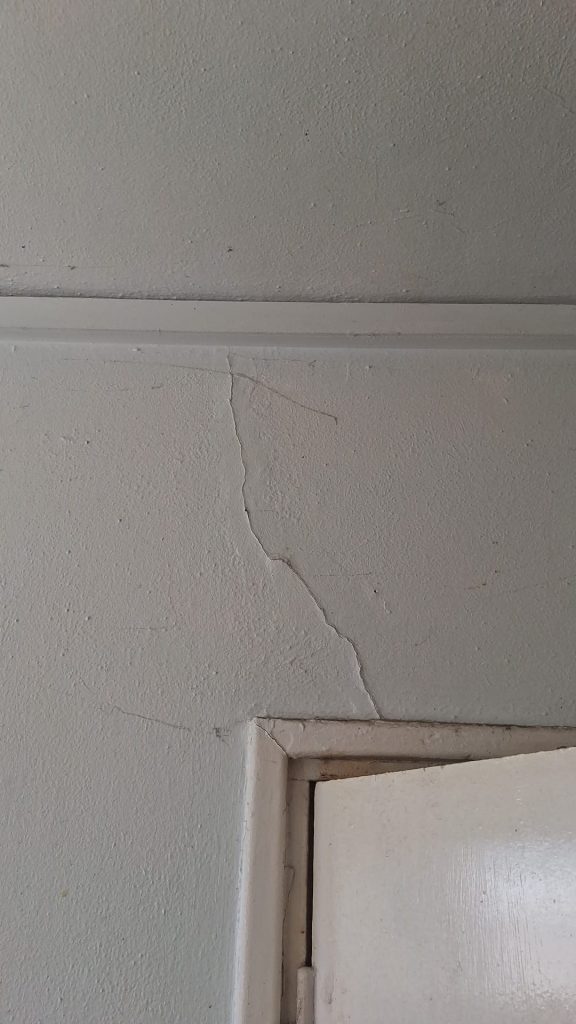
- Structural problems like cracks in walls or floors
- Infestations of pests
These problems are more than just inconvenient they can cause serious health issues and damage your belongings.
Legal Obligations of Landlords in Macclesfield
Landlords in the UK, including Macclesfield, have a legal duty to ensure their properties are safe and properly maintained. This includes responsibilities under:
- The Landlord and Tenant Act 1985
- The Homes (Fitness for Human Habitation) Act 2018
- Housing Health and Safety Rating System (HHSRS)
If a landlord is aware of a repair issue but fails to fix it within a reasonable time, they are in breach of their legal duties.
How Housing Disrepair Affects Tenants
Unresolved housing disrepair can affect tenants in multiple ways:
- Physical health: Respiratory problems, infections, or injuries from unsafe structures.
- Mental health: Stress, anxiety, and sleep disruption due to unsafe or uncomfortable living conditions.
- Financial impact: Higher heating costs and potential damage to belongings.
- Work and daily life: Difficulty working from home or maintaining routines.
Making a Housing Disrepair Claim in Macclesfield
If you’re a tenant in Macclesfield you can take action when your landlord fails to carry out repairs. Here’s what to do:
- Notify your landlord in writing and keep copies of all correspondence.
- Document the disrepair with photographs, videos, and detailed notes.
- Collect evidence of health impacts, such as medical records if the disrepair has affected your wellbeing.
- Seek professional advice from a housing solicitor many operate on a no win, no fee basis.
Claims can cover compensation for inconvenience, property damage, health issues, and loss of enjoyment of your home.
Typical Compensation Levels
Compensation depends on the severity of the disrepair and how long it has persisted:
- Minor issues: Around 5–10% of rent for the affected period
- Moderate issues: 10–30% of rent
- Severe or long-term disrepair: 30–50% of rent or more
Cases involving serious health effects or dangerous living conditions may attract higher amounts.
What to Expect from the Process
The time taken to resolve a housing disrepair claim can vary:
- Simple claims: 3–6 months
- Complex claims: 6–12 months or longer
Even initiating a claim often encourages landlords to act and complete repairs more quickly.
Protecting Your Rights
It is illegal for landlords to evict tenants in retaliation for raising disrepair issues. If you face threats of eviction after reporting disrepair, you should raise this with your solicitor immediately.
Professional advice will help ensure your landlord carries out repairs, protects your rights, and secures the maximum compensation you are entitled to.