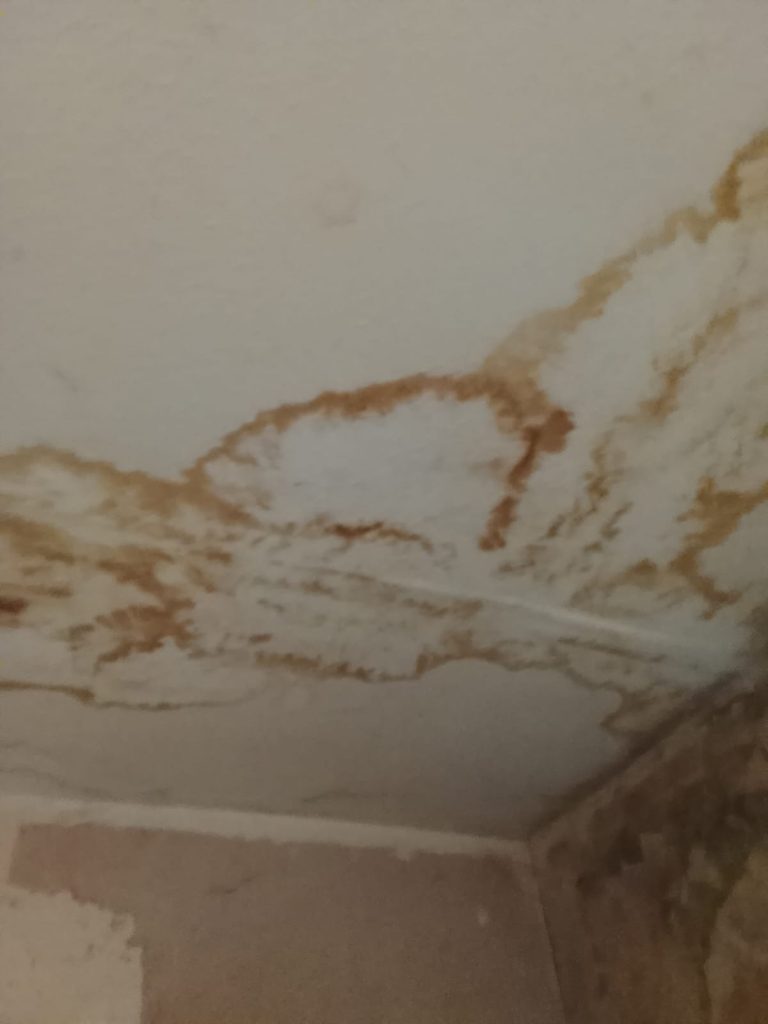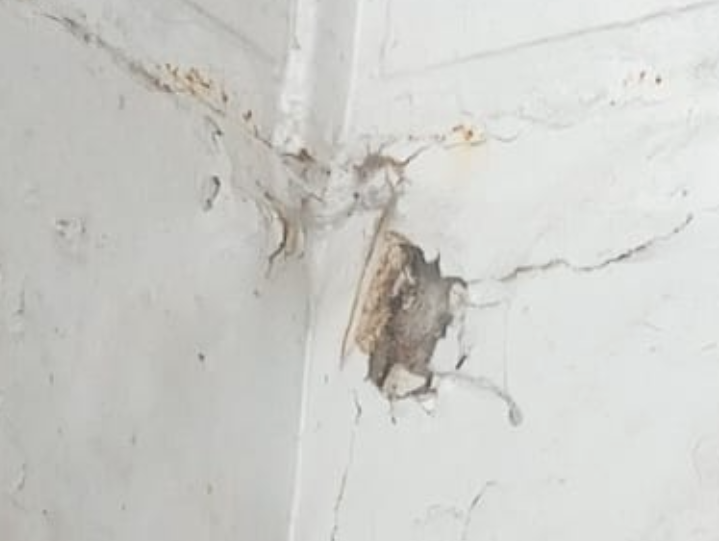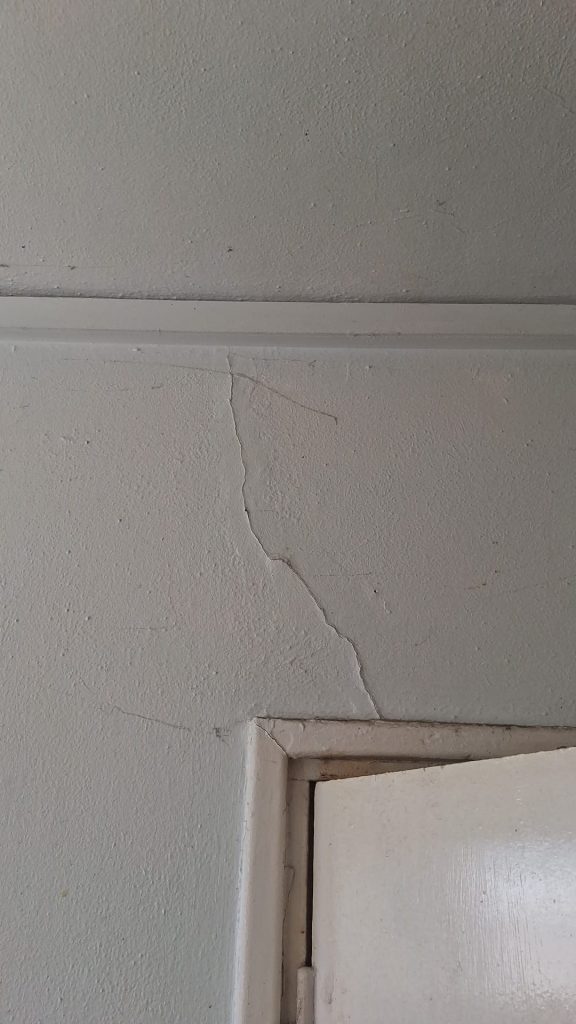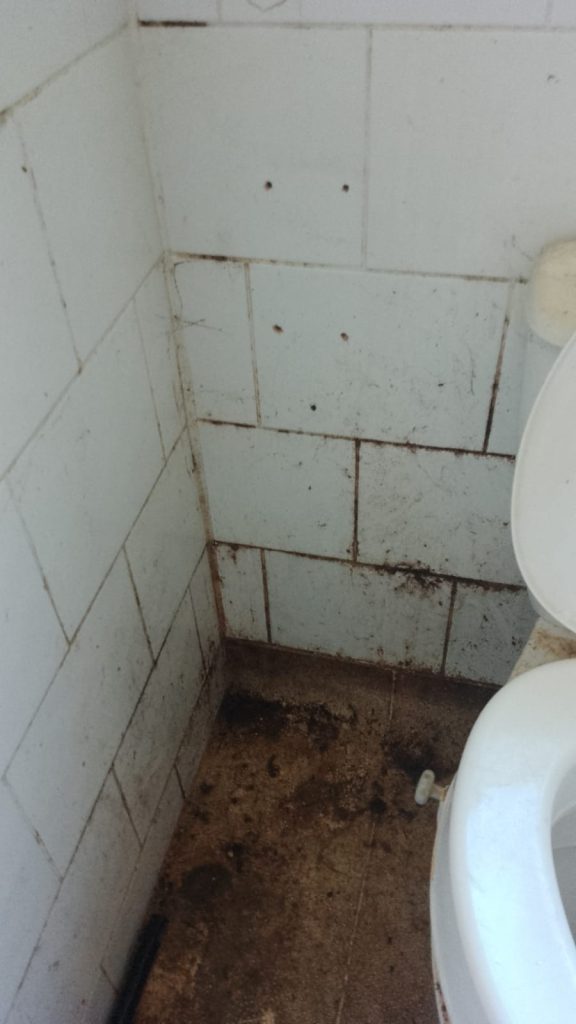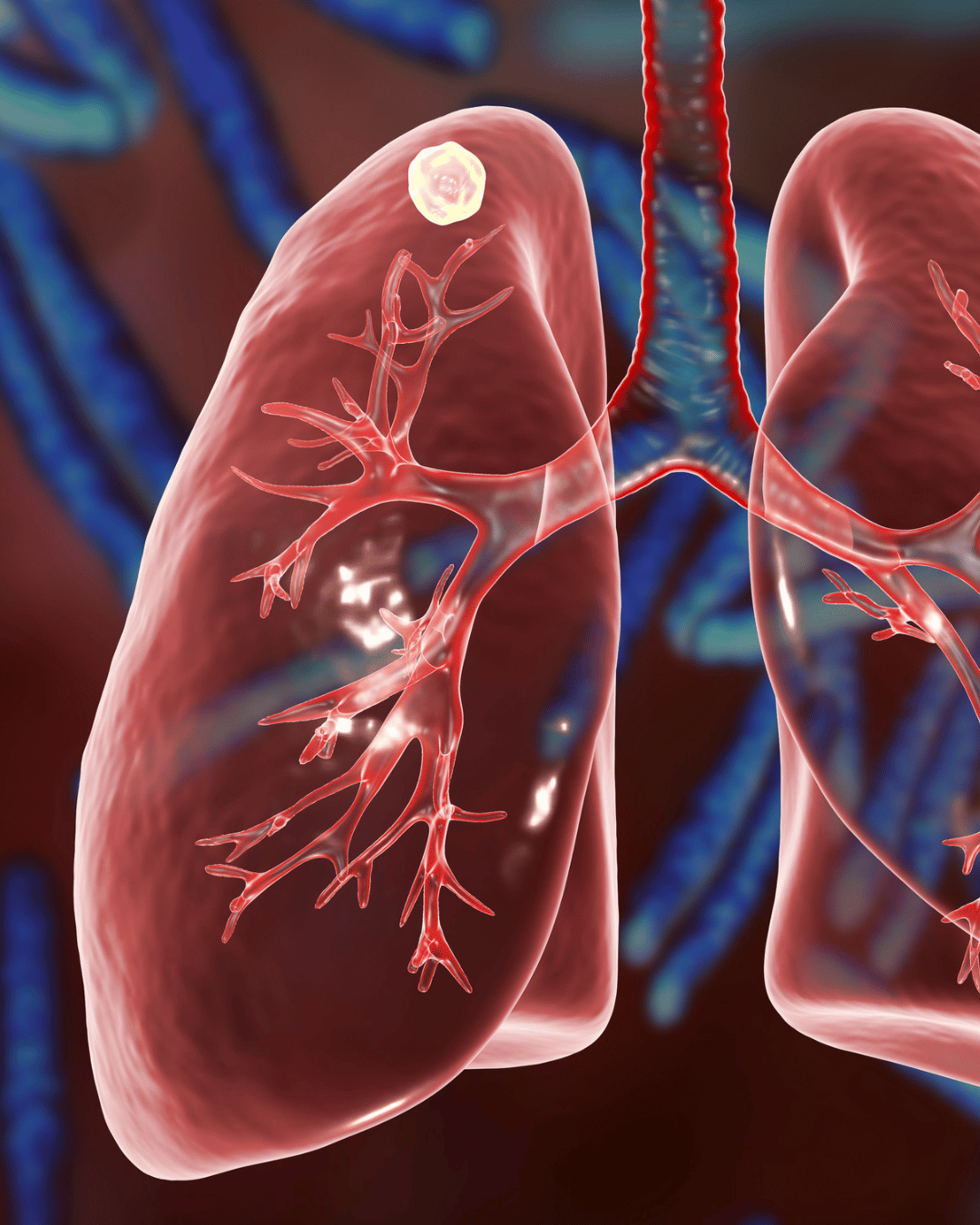
Why Damp and Mould Are a Serious Health Risk
Damp and mould in a home can seriously affect your health — sometimes without you realising it. Beyond the unpleasant smell and appearance, mould spores can irritate your lungs, throat, and skin.
Common symptoms include coughing, shortness of breath, wheezing, sore throats, skin irritation, and persistent headaches.
People with asthma, bronchitis, COPD, or allergies often find their symptoms worsen in damp conditions. Even those without a history of breathing problems can develop respiratory issues after long exposure.
Children, older adults, and people with weaker immune systems are at the highest risk.
What Causes Damp and Mould in Homes
Damp and mould can form for many reasons, including:
- Cracks in brickwork or gaps around windows letting moisture in
- Poor ventilation or lack of airflow
- Leaking pipes, gutters, or damaged roofing
- Structural cracks allowing dampness to spread
When these issues result from disrepair, landlords or housing associations are legally responsible for carrying out repairs and keeping properties safe and habitable under the Landlord and Tenant Act 1985 and the Homes (Fitness for Human Habitation) Act 2018.
Why Ignoring Damp and Mould Is Dangerous
Living with untreated damp and mould can lead to:
- Worsening asthma or bronchitis
- Persistent fatigue, headaches, and “brain fog”
- Weakened immune system and higher risk of infection
- Anxiety and stress from unsafe living conditions
If you’ve reported damp or mould and your landlord hasn’t acted, you may be eligible for legal support to get the problems resolved and, in some cases, to seek compensation.
A regulated solicitor will review your situation before any claim proceeds.
What Tenants Should Do
- Report it in writing to your landlord or housing association.
- Take photographs or videos of the affected areas.
- Keep records of all communication.
- Seek medical advice if you or your family experience health issues.
Professional housing-disrepair solicitors can assess whether your landlord’s failure to act breaches their duty to maintain a safe property.
Possible Outcomes of a Successful Claim
Depending on the circumstances, compensation (if awarded) could cover:
- Impact on health and wellbeing
- Damage to personal belongings
- Rent rebate for uninhabitable rooms
- Repairs carried out by order of the court
There is no guaranteed outcome. Every case depends on the evidence, duration of the disrepair, and legal assessment.
Living in a Safe, Healthy Home
Everyone deserves to live in a property that doesn’t harm their health.
If your landlord has ignored damp or mould problems, Disrepair Support can help connect you with regulated solicitors who specialise in housing-disrepair cases.
If accepted, your claim may be handled on a no-win-no-fee basis you pay nothing upfront, and any success-fee deduction will be explained clearly before you agree to proceed.
📞 0161 710 3295 📧 [email protected]
Important Information
Disrepair Support is a trading style of CFS Redundancy Payments Ltd, authorised and regulated by the Financial Conduct Authority (FRN 830857) for claims-management activity.
Eligibility and outcomes depend on individual circumstances and solicitor assessment.
No-win-no-fee arrangements apply only where accepted by our partner solicitors, and a success fee may be deducted from any compensation awarded.
Full details are provided before any agreement is signed.