Housing disrepair isn’t always dramatic. It doesn’t usually start with ceilings collapsing or electrics failing overnight. In most cases, it begins quietly —a small patch of damp, a boiler that cuts out occasionally, a window that never quite shuts properly.
The real damage happens when these issues are ignored.
This article looks at what delayed repairs actually do to a property, a tenant’s health, and their finances and why many tenants don’t realise they can claim until much later.
When “Minor Issues” Become Major Problems
Landlords often describe disrepair as “non-urgent” or “cosmetic”. In reality, many serious housing issues follow the same pattern:
- A small leak becomes widespread damp
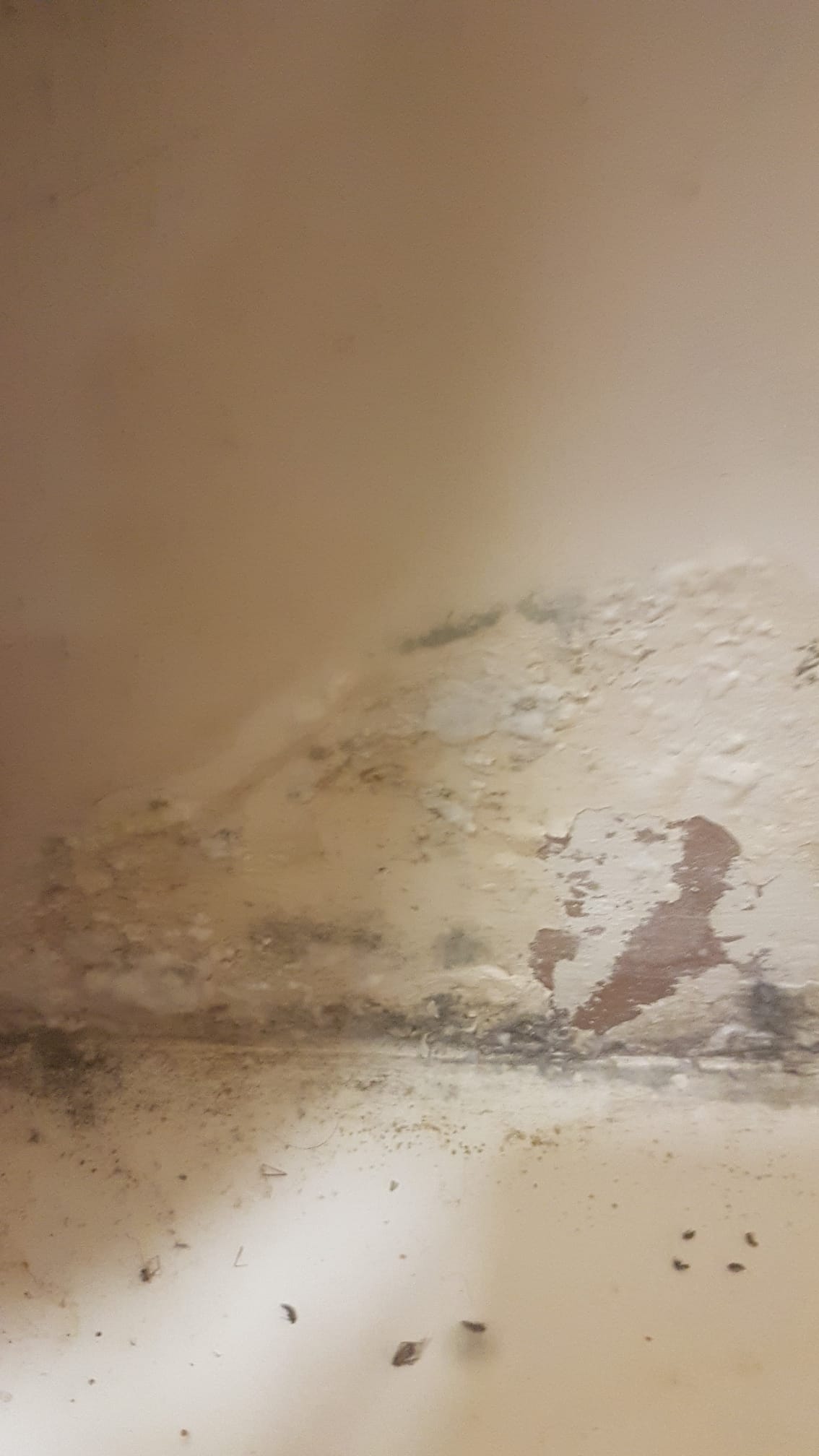
- Condensation turns into black mould
- A faulty boiler becomes complete heating failure
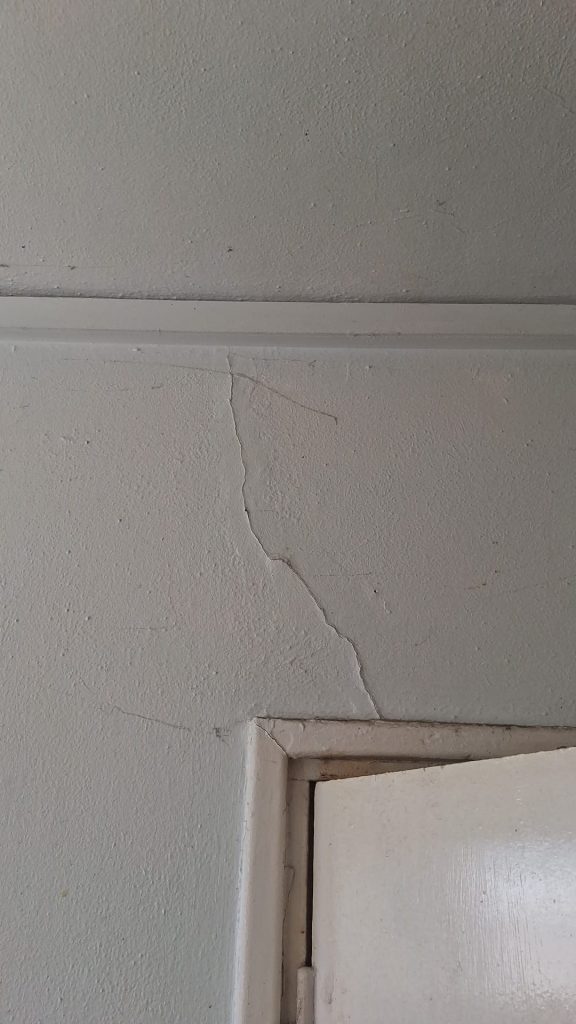
- A cracked wall develops structural movement
Delays allow damage to spread, making the property harder to live in and more expensive to repair yet tenants are the ones left dealing with the consequences day to day.
The Health Impact Tenants Rarely Connect to Their Home
Many tenants don’t immediately associate health symptoms with housing conditions. Over time, people living with unresolved disrepair often experience:
- Persistent coughs or breathing issues
- Worsening asthma or allergies
- Fatigue and headaches
- Skin irritation
- Increased anxiety and low mood
Children, elderly tenants, and those with existing conditions are particularly vulnerable. Medical evidence regularly plays a key role in housing disrepair claims — even when symptoms initially seemed unrelated.
How Disrepair Affects Your Daily Life (Beyond Health)
Housing disrepair doesn’t just affect your body — it affects how you live.
Tenants often report:
- Avoiding certain rooms due to damp or cold
- Using expensive heaters or dehumidifiers
- Throwing away mould-damaged belongings
- Embarrassment about visitors
- Disrupted sleep due to cold or noise
These factors are legally recognised when assessing compensation, even if the landlord dismisses them as inconvenience.
The “We’re Looking Into It” Cycle
One of the most common patterns in housing disrepair cases is repeated reassurance without action.
Tenants are told:
- “It’s been logged”
- “We’re waiting for contractors”
- “Parts are on order”
- “Someone will contact you”
Weeks turn into months. Sometimes years.
From a legal perspective, this matters. A landlord does not need to refuse repairs outright to be liable unreasonable delay can be enough to support a housing disrepair claim.
You Don’t Need to Be in Rent Arrears or Facing Eviction
A common myth is that housing disrepair claims are only for tenants in crisis.
In reality:
- You can be fully up to date on rent
- You can still be living in the property
- You do not need to move out
- You do not need to confront your landlord directly
Many claims are resolved while the tenant remains in their home, with repairs carried out alongside compensation.
What Evidence Really Matters
Tenants often worry they haven’t kept “perfect” records. In practice, claims succeed with everyday evidence such as:
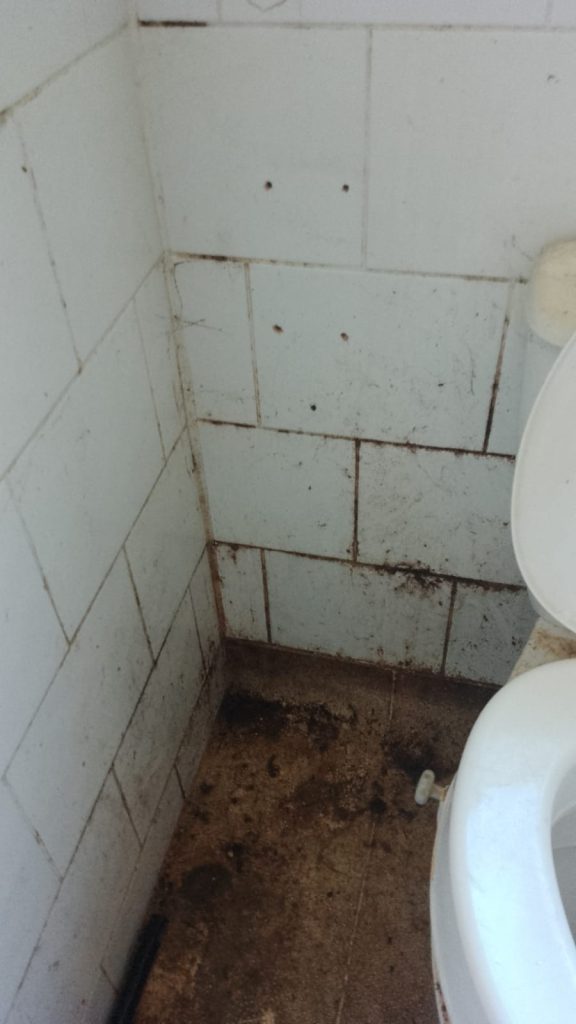
- Photos taken on a phone
- WhatsApp messages or emails
- Repair reference numbers
- GP visits or prescriptions
- Witness statements from household members
You don’t need legal language you just need a record of what’s been happening.
Why Tenants Delay Claims (and Why They Shouldn’t)
The most common reasons tenants put off action include:
- Fear of eviction
- Not wanting to cause trouble
- Assuming nothing will change
- Not knowing claims exist
- Feeling overwhelmed
Unfortunately, delaying often increases the impact of disrepair — and the stress that comes with it. Early advice doesn’t mean immediate legal action; it simply means understanding where you stand.
Housing Disrepair Claims Are About Accountability
At its core, a housing disrepair claim is not about “getting one over” on a landlord. It’s about ensuring legal responsibilities are met and tenants are not left living in unsafe conditions.
Compensation reflects:
- Loss of use of the property
- Physical and mental impact
- Time spent chasing repairs
- Damage to belongings
Most cases settle without court involvement.
Final Thought
If a housing issue has become part of your “normal”, that’s often a sign something isn’t right.
No tenant should have to adapt their life around disrepair and the law exists to prevent exactly that. If you want help with your housing disrepair claim get in contact with us today.